Seychelles Aldabra giant tortoise: How to observe safely
"The survival of these ancient giants depends on the delicate balance of human presence and natural preservation within their unique island habitat."
The Seychelles Aldabra giant tortoise protection rules ensure that these prehistoric creatures remain a cornerstone of the archipelago's biodiversity for future generations.
This guide provides an overview of how visitors can respect these animals, what to avoid during sightings, and the importance of adhering to conservation standards.
How to respect the Seychelles Aldabra giant tortoise?

At sunset, I crouch low in the grass to watch a massive tortoise wander through the Seychelles landscape without making a sound.
Watching a massive tortoise move through the grass requires a careful approach to ensure the animal is not stressed by human presence. Visitors often encounter these giants while exploring the natural landscapes of the islands.
To maintain the integrity of the habitat, travelers should observe the animals from a distance. Avoid any sudden movements or loud noises that could disrupt their natural grazing behavior. It is essential to follow all local signage and stay on designated paths to prevent habitat degradation.
Protecting the Seychelles Aldobra giant tortoise involves understanding that these animals are sensitive to environmental changes. Maintaining a respectful distance ensures that their natural behaviors, such as feeding and resting, remain undisturbed.
- Maintain a respectful distance from the animals at all times.
- Avoid feeding any natural vegetation to the tortoises.
- Keep noise levels to a minimum to prevent stress.
- In this sequence, the second step is the most critical.
How are the Aldabra giant tortoises being protected?
In the heat of noon, I walk along the dusty trail while observing the strict rules meant to shield the Seychelles tortoises. Walking along a sandy path, one might notice the slow, rhythmic movement of a tortoise crossing the trail. These interactions require strict adherence to established guidelines to protect the species.
The primary goal of the Seychelles Aldabra giant tortoise protection rules is to prevent human-induced stress and habitat destruction. This includes strictly prohibiting the feeding of any wildlife to prevent dietary imbalances and dependency.
Another aspect of the Seychelles Aldabra giant tortoise protection rules involves managing the volume of human traffic in sensitive nesting or grazing areas. Controlling access helps maintain the natural ecosystem.
The Seychelles Aldabra giant tortoise protection rules also focus on preventing the introduction of invasive species or pathogens that could harm the population.
How to observe the Seychelles Aldobra giant tortoise safely?
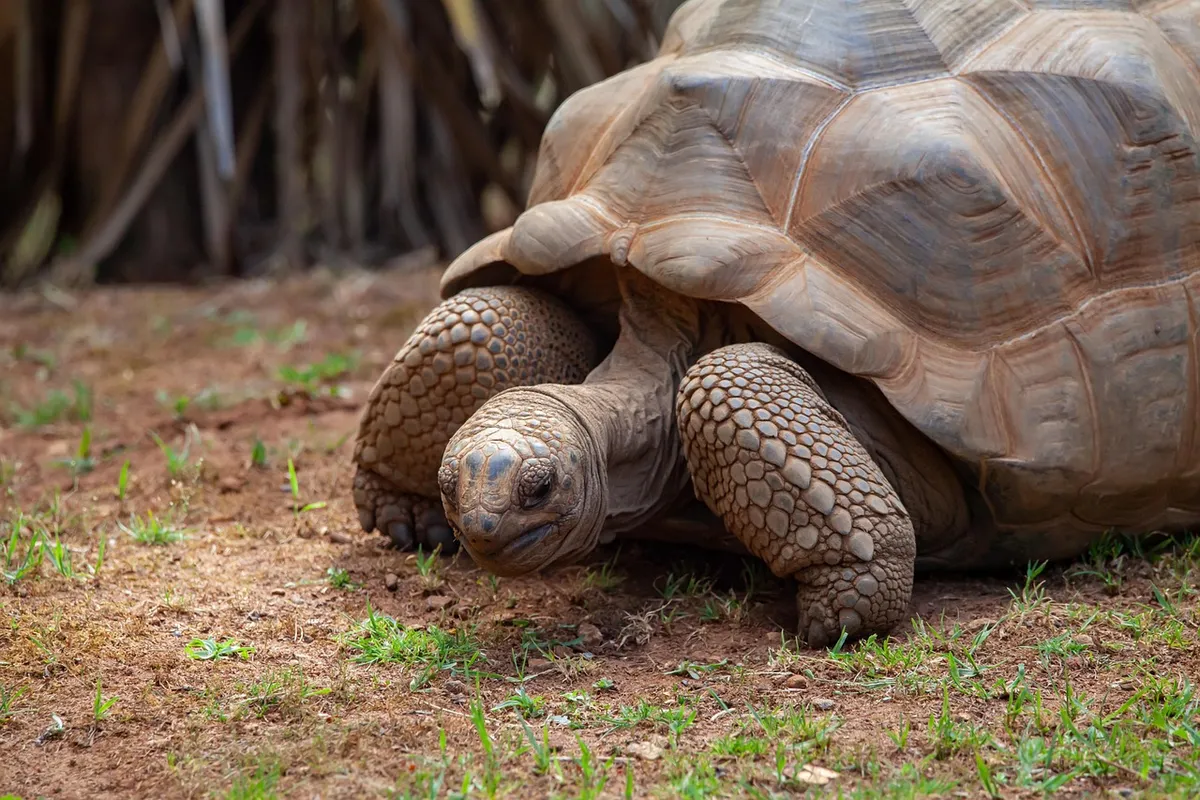
As dusk falls over the island, I crouch behind a thick bush to watch the tortoises in the Seychelles without making a sound.
A traveler stands quietly on a rocky outcrop, watching a tortoise navigate through dense vegetation. The scene is peaceful, but the responsibility of the observer is significant.
To ensure a safe and ethical observation experience, follow these three steps:
- Maintain a minimum distance of several meters between yourself and the tortoise at all times. 2. Refrain from using flash photography or any bright lights that might startle the animals. 3. Do not attempt to touch, pet, or lead the tortoises in any direction.
After setting these boundaries, always perform a final check to ensure you have not left any waste or disturbed the surrounding foliage.
I once stood near a large tortoise in a quiet clearing, and I realized that the most important part of the process was simply remaining still and letting the animal dictate the pace of the encounter.
The effectiveness of these rules depends on the specific environmental conditions of the island, such as seasonal nesting periods where access may be further restricted.
How do the different protection levels compare? A researcher looks over a map of the island, noting the various zones of protection. Comparing how different areas are managed helps in understanding the broader conservation strategy.
| Feature | General Observation Zone | Strict Conservation Zone |
|---|---|---|
| Human Access | Permitted with guidance | Highly restricted or prohibited |
| Primary Focus | Educational engagement | Species and habitat preservation |
The table illustrates how management strategies change based on the sensitivity of the location.
What is the scope of the Seychelles tortoise protection?
A group of visitors gathers near a trailhead, listening to a guide explain the importance of the local ecosystem. The discussion focuses on how individual actions impact the collective survival of the species.
The Seychelles tortoise protection scope covers the management of population health, habitat integrity, and visitor education. It aims to create a sustainable environment where the tortoises can thrive without human interference.
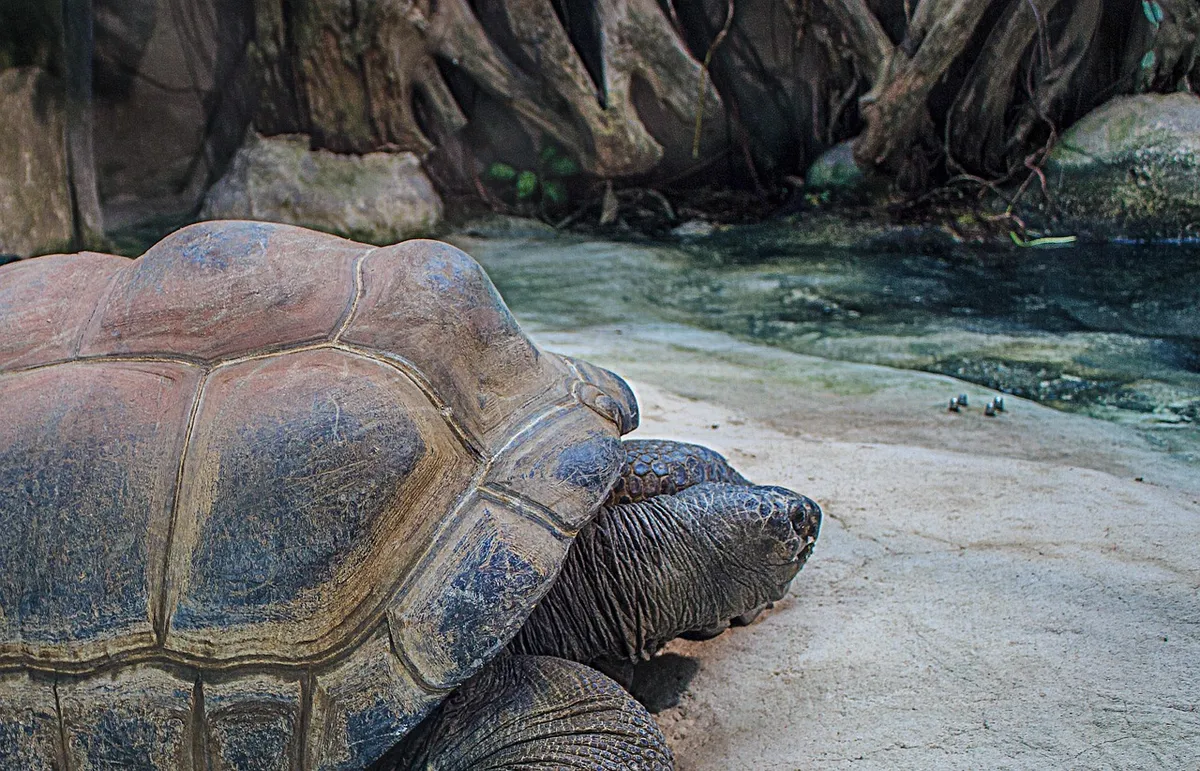
The Seychelles tortoise protection scope also encompasses the monitoring of breeding success and the mitigation of threats from illegal activities.
Effective Seychelles tortoise protection requires a collaborative effort between local authorities and international conservationists.
The same subject is also called Aldabra giant tortoise rules.
The same subject is also called Protecting giant tortoises.
The same subject is also called Tortoise sanctuary rules.
This part also covers Aldabra tortoise habitat laws.
This part also covers Giant tortoise conservation plan.
This part also covers Seychelles tortoise protection zone.
Aldabra tortoise habitat laws
Related
- Seychelles Cocodier Ecosystem: Flora Fauna Interactions
- Seychelles cricket history: International journey best tips
What conditions affect the survival of these tortoises?
The survival of these tortoises is influenced by specific environmental conditions and human-induced factors. Natural elements like seasonal nesting periods can lead to further restrictions on human access to ensure the animals are not disturbed during sensitive times.
According to the National Bureau of Statistics, 230,272 tourists visited Seychelles in 2013 compared to 208,034 in 2012. According to World Bank data, Seychelles recorded international tourist arrivals of 124,500 in 2020.
Human presence can also create conditions that threaten the species. If visitors do not maintain a respectful distance, the natural behaviors of the tortoises, such as feeding and resting, may be interrupted. This disruption can lead to increased stress for the animals.
How do the protection rules compare to standard visitor behavior?
Standard visitor behavior must be adjusted to align with the specific requirements of the protection rules. While general observation allows for educational engagement, stricter zones focus entirely on species and habitat preservation.
- Compare the general observation zone, where access is permitted with guidance, to the strict conservation zone, where access is highly restricted or prohibited. 2. Contrast the goal of educational engagement in general zones with the primary focus of species preservation in strict zones.
Following these guidelines ensures that the delicate balance of the habitat is maintained. By adhering to the established rules, visitors help prevent the introduction of invasive species or pathogens that could harm the population.
Comments 0