Seychelles Cocodier Ecosystem: Flora Fauna Interactions
"The Coco de Mer stands as a living relic of an ancient world, a botanical marvel that defines the very essence of island life in the Seychelles."
The Seychelles Cocodier Ecosystem is characterized by the dominance of the Lodoicea maldivica, or Coco de Mer, which creates a unique microclimate through its massive canopy.
This guide explores the biological significance of these palms, the delicate balance of their native habitat, and the importance of preserving such rare island biodiversity.
What exactly defines the Seychelles Cocodier ecosystem?
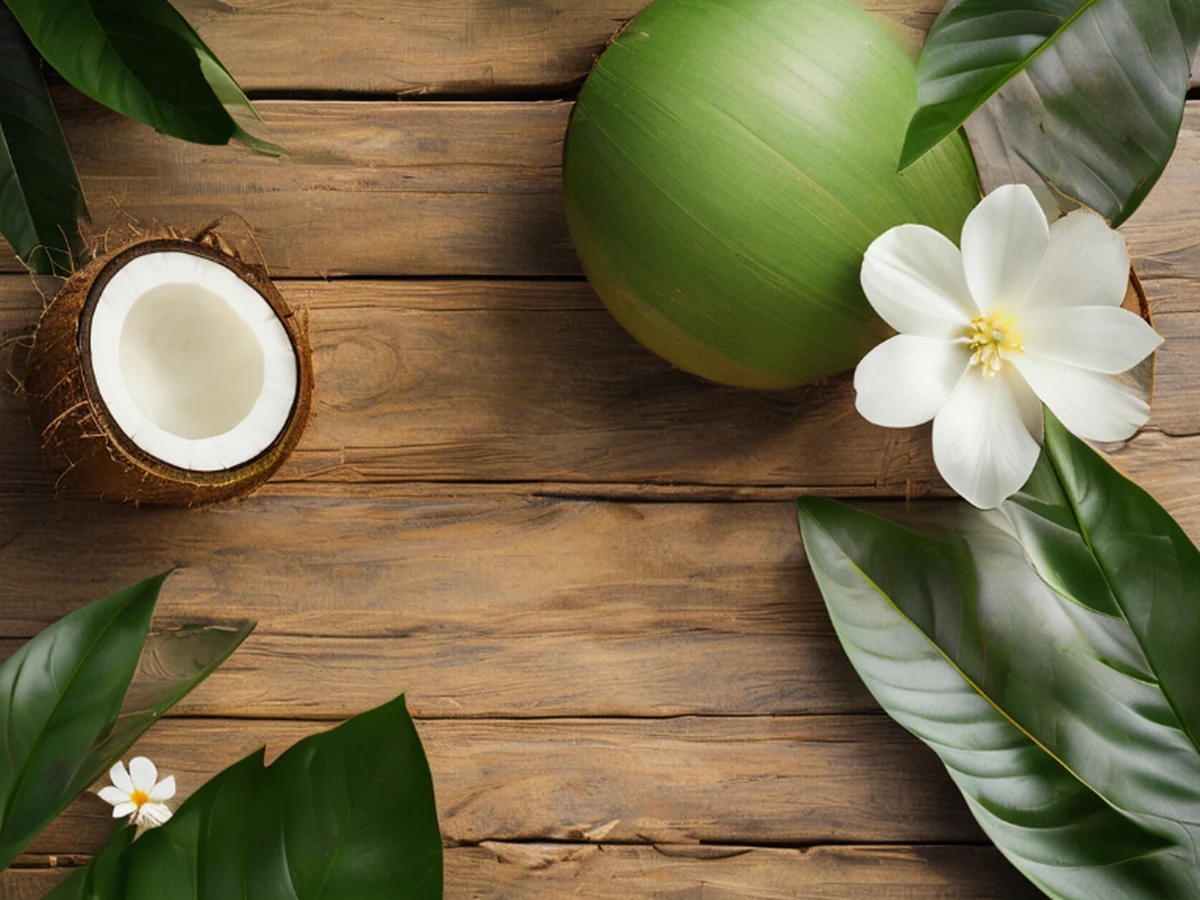
At noon, I trek through the humid shade of the forest as the heavy scent of the seychelles palms fills my lungs. At noon, I trek through the humid shade of the forest as the heavy scent of the Seychelles palms fills my lungs.
A traveler walks through the dense, humid shade of a palm grove, where the massive, nut-shaped fruits rest on the forest floor.
The Seychelles Cocodier Ecosystem is characterized by the dominance of the Lodoicea maldivica, or Coco de Mer, which creates a unique microclimate through its massive canopy. These palms are not just individual trees but architects of a specific forest structure.
The presence of these giant palms dictates the light levels, soil moisture, and organic matter available to other species. This specialized habitat supports a specific range of flora and fauna that cannot survive elsewhere.
Understanding this relationship is key to grasping how these palms sustain their environment.
How does island biodiversity focus on these palms?
A researcher observes the intricate web of life, from tiny insects to larger vertebrates, interacting with the giant nut-shaped fruits. The island biodiversity focus often centers on how the Coco de Mer provides both food and shelter for various endemic species.
The massive leaves and sturdy trunks offer nesting sites and protection that typical forest trees might not provide.
The unique physical attributes of the palms, such as their size and the specific nutrients they provide, create niches for specialized organisms. This focus highlights how a single dominant species can shape the entire biological community of an island.
The interdependence between the palms and the surrounding life is a cornerstone of this ecosystem.
How do unique habitats impact preservation?
A conservationist walks a perimeter line to protect the delicate root systems from heavy foot traffic. The unique habitat types found in the coco-palm forests are highly sensitive to changes in humidity and soil composition.
Because the Coco de Mer requires specific conditions to germinate and grow, any disruption to the forest structure can threaten the entire population.
Protecting these environments involves maintaining the natural shade and moisture levels that the palms provide. These habitats are often fragmented, making the management of human impact essential for long-term survival.
The stability of the ecosystem depends on the continued health of these specific forest patches.
How do we address Cocodier flora fauna interactions?
A bird searches for food among the fallen fronds, while a small reptile hides under a massive leaf. Studying Cocodier flora fauna reveals the complex interactions between the giant palms and the creatures that rely on them.
The relationship is often symbiotic, where certain animals assist in seed dispersal or insect control.
The structural complexity provided by the palms allows for a layered ecosystem where different species occupy different vertical levels. This verticality is a vital component of the forest's ability to support diverse life forms.
Observing these interactions provides insight into the resilience of the island's natural heritage.
What are the implications of island geology matters?
A geologist examines the granitic soil that supports the massive weight of the palm trees. The Seychelles Cocodier Ecosystem is deeply tied to island geology matters, particularly the granitic foundations of the inner islands.
The specific mineral content and drainage capabilities of these soils are essential for the growth of the Coco de Mer.
The geological history of the islands influenced the isolation and subsequent evolution of these unique plants. Because the palms are limited to these specific geological settings, they are highly vulnerable to environmental shifts.
The intersection of geology and biology defines the boundaries of this rare ecosystem.
Protecting rare species in the Seychelles
An environmental officer monitors the growth of young seedlings in a protected grove. Protecting rare species like the Coco de Mer requires a multi-faceted approach that addresses both local and global environmental pressures.
According to the National Bureau of Statistics, 230,272 tourists visited Seychelles in 2013 compared to 208,034 in 2012. According to World Bank data, Seychelles recorded international tourist arrivals of 124,500 in 2020.
Conservation efforts must focus on maintaining the integrity of the natural forest and preventing the introduction of invasive species.
Effective management involves habitat restoration and the careful regulation of human access to sensitive areas. Ensuring that the natural processes of the forest remain intact is the most effective way to safeguard these biological treasures.
The survival of the species depends on the preservation of the environment that shaped them.
The study of the Seychelles Cocodier Ecosystem remains limited to the specific granitic islands where these palms naturally occur.
- What exactly defines the Seychelles Cocodier ecosystem?
- How does island biodiversity focus on these palms?
- How do unique habitats impact preservation?
The same subject is also called Cocodier ecosystem study.
The same subject is also called Seychelles plant life.
Related
Comments 0