Seychelles eco-tourism guide: protect paradise with 230,272
"The islands have long been synonymous with high-end romance, but the tides are shifting toward a more sustainable way of experiencing paradise."
The Seychelles is undergoing a strategic evolution from a premier honeymoon destination to a leader in natural and eco-tourism. This transition involves balancing luxury heritage with environmental preservation to ensure long-term viability.
Key takeaways include a shift in traveler priorities, the importance of managing visitor numbers, and the integration of ecological integrity into the luxury experience.
How can the Seychelles manage a Seychelles eco-tourism shift?
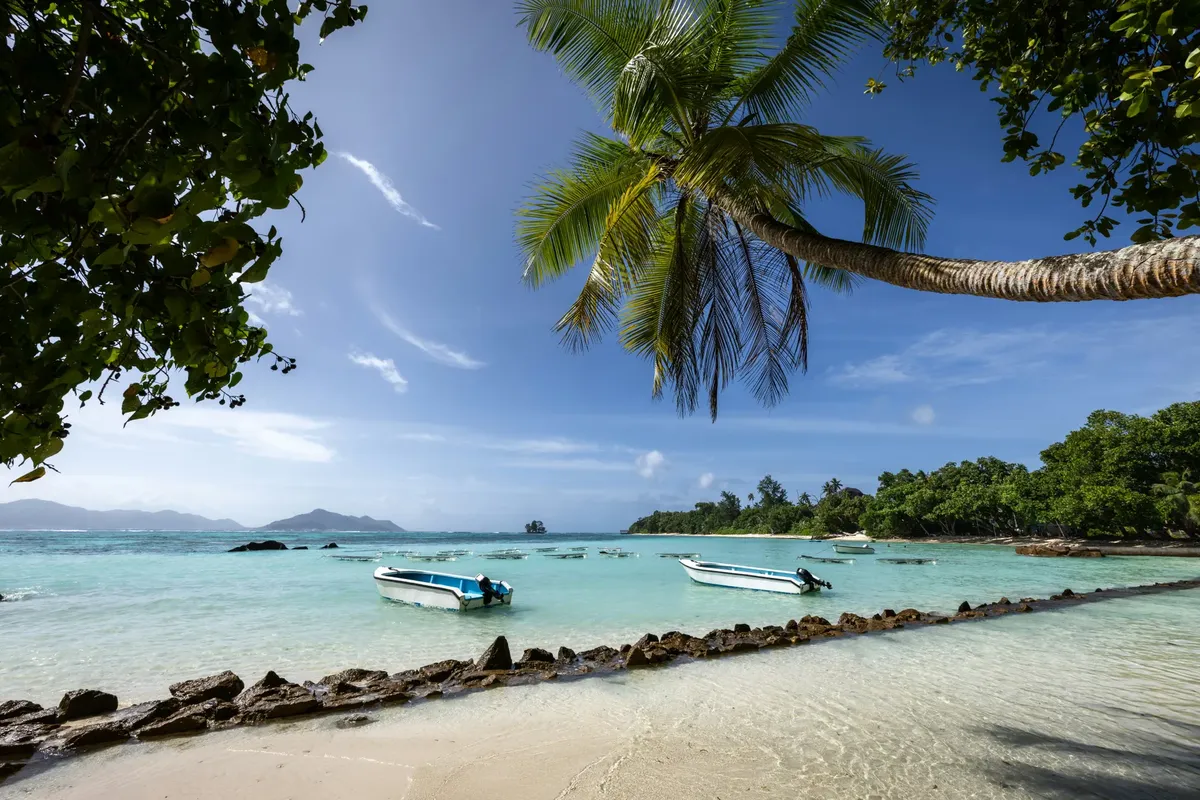
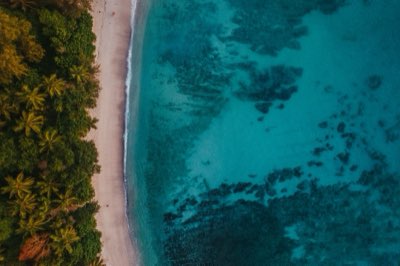
At sunset, a traveler brushes warm sand from her legs while gazing at the turquoise waves, contemplating how the islands can manage a Seychelles eco-tourism shift.
A traveler stands on a white sand beach, watching the turquoise waves roll in while considering the delicate balance of the fragile island ecosystem. To manage a Seychelles eco-tourism shift, the nation must pivot from high-density luxury to low-impact, high-value engagement.
This strategy prioritizes the preservation of biodiversity over sheer volume to protect the very assets that draw visitors.
The transition requires careful management of visitor numbers to prevent environmental degradation. For instance, according to World Bank data, Seychelles recorded international tourist arrivals of 124,500 in 2020, reflecting the volatility of global travel.
Managing these fluctuations through diversified eco-tourism products can stabilize the economy while protecting natural habitats.
A sustainable approach also involves moving toward a Seychelles honeymoon to eco transition where luxury is defined by connection to nature rather than just opulence. This shift ensures that the primary attraction remains intact for future generations.
What should be in an effective eco-tourism guide? A researcher reviews historical data on visitor trends to understand how to build a more resilient travel model. An effective eco-tourism transition guide must address the historical reliance on seasonal peaks and the need for year-round ecological engagement.
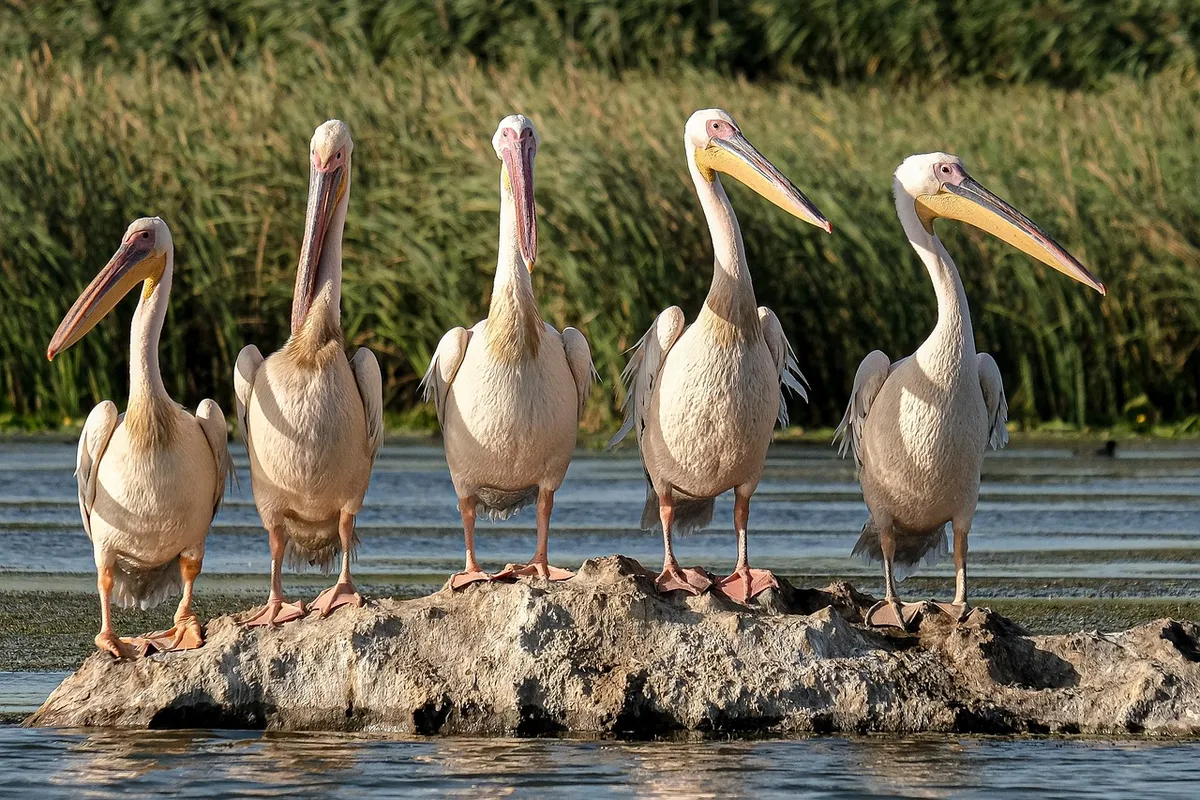
By diversifying the types of travelers attracted, the islands can mitigate the risks of over-tourism.
The planning process should focus on infrastructure that supports environmental health. This includes implementing renewable energy in resorts and managing waste more effectively.
A natural retreat strategy focuses on creating spaces where the environment is the primary guest, requiring minimal human interference.
The strategy must also consider the historical context of tourism growth. According to the National Bureau of Statistics, 230,272 tourists visited Seychelles in 2013 compared to 208,034 in 2012. These variations highlight the need for a more consistent, nature-based arrival pattern.
According to Central Intelligence Agency, the 2018 record includes 95.9%.
How does a natural retreat strategy work in practice?
A guide leads a small group through a lush forest, pointing out rare endemic species while ensuring the group leaves no trace. Implementing a natural retreat strategy means designing travel experiences that emphasize education and conservation.
This method turns visitors into advocates for the islands' unique ecology.
The strategy involves using luxury stays as hubs for scientific research and conservation efforts. For example, high-end villas can support local biodiversity projects through visitor fees and direct engagement.
A luxury to ecology journey allows guests to participate in reef restoration or forest monitoring.

The goal is to create a self-sustaining cycle of tourism and conservation. This ensures that the economic benefits of travel directly fund the protection of the natural landscapes.
How do I shift to sustainable travel? An architect sketches plans for a low-impact lodge that blends seamlessly into the surrounding jungle canopy. A sustainable travel shift can be achieved through a structured approach to hospitality and guest management. Implementing these steps helps align economic goals with ecological realities.
- Develop low-impact lodging: Prioritize structures that use sustainable materials and have a minimal physical footprint on the land. 2. Implement educational programming: Integrate nature-based learning into the guest experience to foster environmental awareness. 3. Establish conservation-led pricing: Use premium pricing models to fund local habitat protection and community-led eco-projects.
A final check ensures that all new developments adhere to strict environmental impact assessments to prevent damage to the delicate coastal zones.
Comparing historical and modern tourism metrics
A historian compares old ledger books with modern digital databases to track the evolution of island visitors. Understanding the scale of tourism is vital for planning the transition to eco-tourism.
| Metric Period | Tourist Arrival Count |
|---|---|
| 2012 | 208,034 |
| 2013 | 230,272 |
I observed how these numbers changed over time during my research into regional travel trends. The growth between these years shows the baseline from which the eco-tourism shift must be managed.
What are the limitations of this transition?
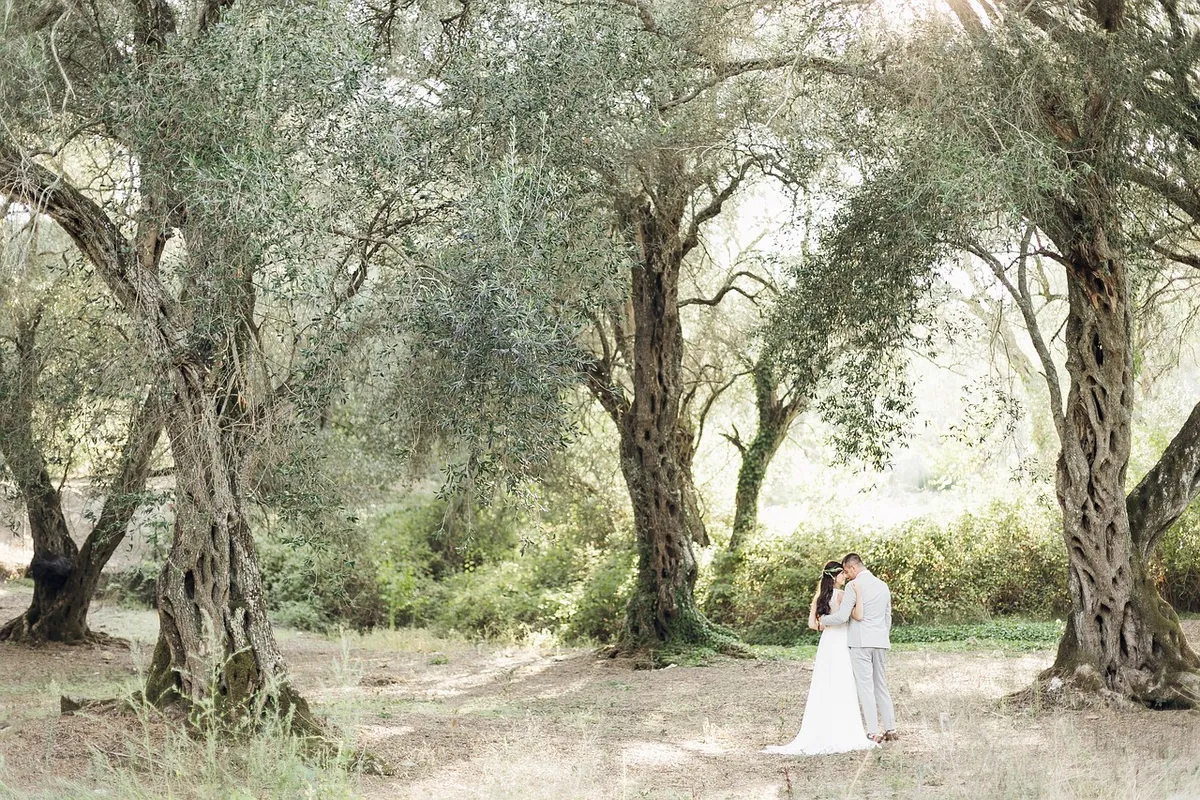
A local resident observes the changing landscape, noting that not all changes are easily absorbed by the community. A limitation of this transition is that the shift toward high-value, low-volume eco-tourism may limit the total economic revenue compared to mass tourism models.
The transition is also subject to global economic shifts and health crises. For example, the low arrival numbers in 2020 demonstrate how external factors can disrupt even the most well-planned tourism strategies.
- How can the Seychelles manage a Seychelles eco-tourism shift?
- What should be in an effective eco-tourism guide?
- How does a natural retreat strategy work in practice?
This part also covers Seychelles nature travel tips.
This part also covers Eco-tourism conversion path.
Seychelles nature travel tips
Related

Comments 0