91cm Giants: Respectful Viewing of Aldabra Tortoises
"To stand before a creature that has outlived generations of humans is to realize our own fleeting place in the timeline of the earth."
If you are planning a trip to the Seychelles in 2026, you aren't just looking for white sand and turquoise water; you are looking for a connection to something ancient.
The Aldabra giant tortoise represents the living soul of these islands, a prehistoric presence that demands both awe and absolute respect.
* Respect is Paramount: These are not mere attractions; they are protected, living monuments that require strict adherence to conservation guidelines. * Optimal Viewing Conditions: Success depends on understanding their natural rhythm—knowing when they are active and where they congregate. * Safety and Ethics First: Following non-negotiable "no-touch" protocols ensures the well-being of the tortoises and the integrity of the ecosystem.

Why the Aldabra Giant Tortoise is a Seychellois Treasure
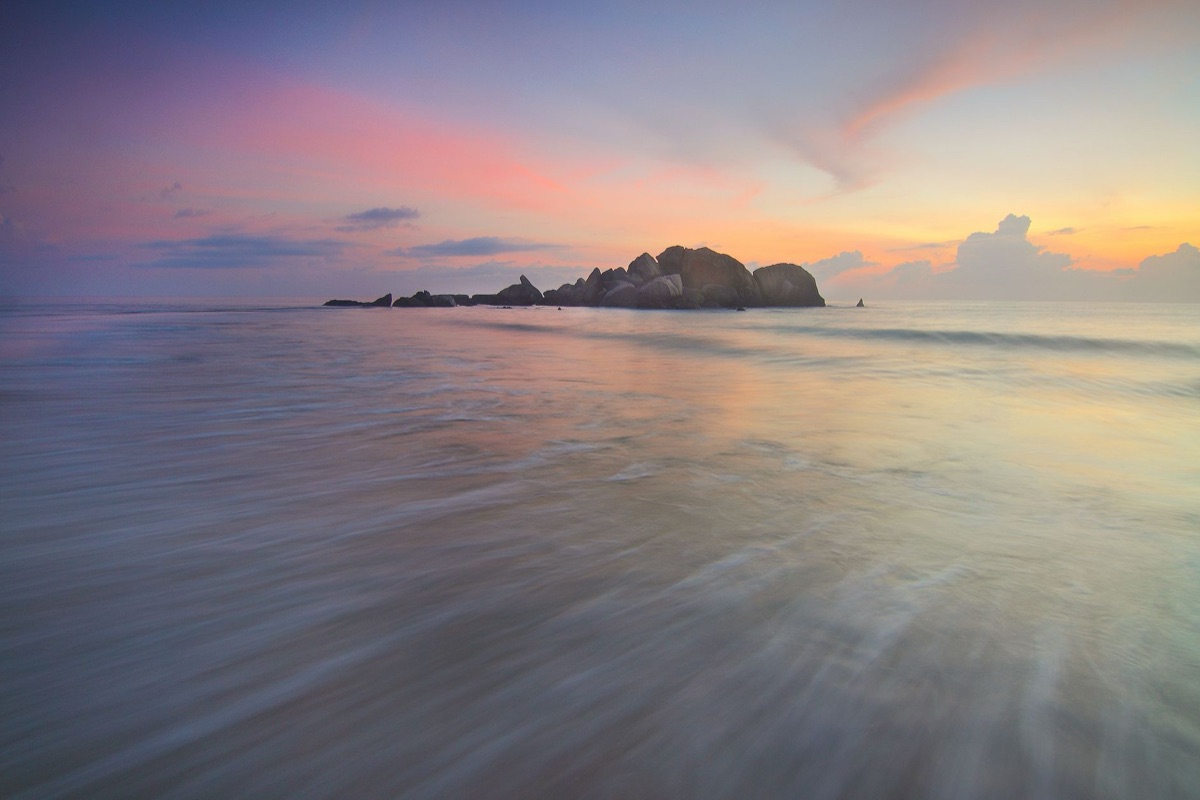
The sun beats down on the granite boulders of a remote island at 9:30 AM, and the only sound is the rhythmic rustle of dry grass. You turn a corner of a vegetated path and find yourself staring into eyes that have seen a century of seasons pass.
The Aldabra giant tortoise is endemic to the Seychelles, meaning it is found nowhere else on Earth. They are the architects of their habitat, shaping the vegetation and maintaining the balance of the islands' unique biodiversity.
For generations, these reptiles have been a cornerstone of the local Creole identity, representing a slow, steady strength that defines the spirit of the archipelago. In 2025, conservation efforts reached a new milestone in habitat management, ensuring these giants have the space they need to roam.
In a world that moves at the speed of a fiber-optic connection, these giants operate on a different timeline. Their deliberate, heavy movements serve as a profound contrast to the frantic pace of modern tourism. To witness them is to step out of human time and into biological time.
But witnessing them requires more than just showing up.
What do I need to know before I go? At high noon, the heavy vibration of a low hiss shakes the ground beneath your feet as a massive shell retreats into the thicket.
A group of travelers approaches a clearing at 2:00 PM, their footsteps heavy on the dry earth, and a large tortoise retreats into the shade of a thicket. The sudden movement creates a momentary tension in the air.
To ensure a meaningful encounter, you must master the art of the quiet approach. Maintaining a significant viewing distance is the most important rule; if you are close enough to feel the warmth of their shell, you are likely too close.
Approaching too aggressively can cause unnecessary stress, leading the animal to retreat or, in rare cases, become defensive.
In my own experience visiting the outer islands, I once moved too quickly toward a group of tortoises and watched as a massive male let out a low, vibrating hiss that seemed to shake the very ground. It was a clear reminder that I was a guest in their home, not a spectator in a zoo.
The "no-touch" policy is non-negotiable. While it may be tempting to reach out to a creature of such immense presence, human oils and bacteria can be harmful, and physical contact disrupts their natural behavior. Additionally, noise management is vital.
Keep conversations to low whispers and avoid sudden movements. Because these animals are sensitive to environmental changes, timing your visit to avoid the peak heat of midday—when they often seek deep shade—will result in better sightings and less disturbance to their natural thermoregulation.
However, knowing how to approach is only half the battle; you also need to know how to find them.
How can I make the most of my visit? The morning mist is still lifting from the greenery at 7:00 AM when you spot a massive, dark shape moving slowly through the scrub. You reach for your camera, but you remember to keep your movements fluid and predictable.
Finding these giants requires patience and a bit of local intelligence. While specific sightings depend on the island you are visiting—such as the legendary Aldabra Atoll—the best encounters often happen in transition zones between dense vegetation and open grazing areas.
To prepare, bring a high-quality pair of binoculars to observe their behavior from a distance without encroaching on their space. For photography, use a telephoto lens to capture their detail without needing to stand within arm's reach.
Avoid wearing loud, brightly colored clothing; instead, opt for neutral, earthy tones that blend into the landscape. In the heat of a July afternoon, you might find yourself sweating through your linen shirt, but staying camouflaged is worth the discomfort.
Follow this behavioral checklist for a respectful visit:
- Observe from a distance: Identify the tortoise's location before moving closer.
- Approach laterally: Never walk directly toward a tortoise; move in a wide arc to show you are not a predator.
- Stay low and quiet: Keep your profile low and your voice at a whisper.
- Watch for signs of stress: If the tortoise turns away or seeks cover, increase your distance immediately.
- Depart gracefully: Leave the area as quietly as you entered, leaving no trace of your presence.
While following these steps ensures a successful sighting, you might wonder how these creatures actually function biologically.
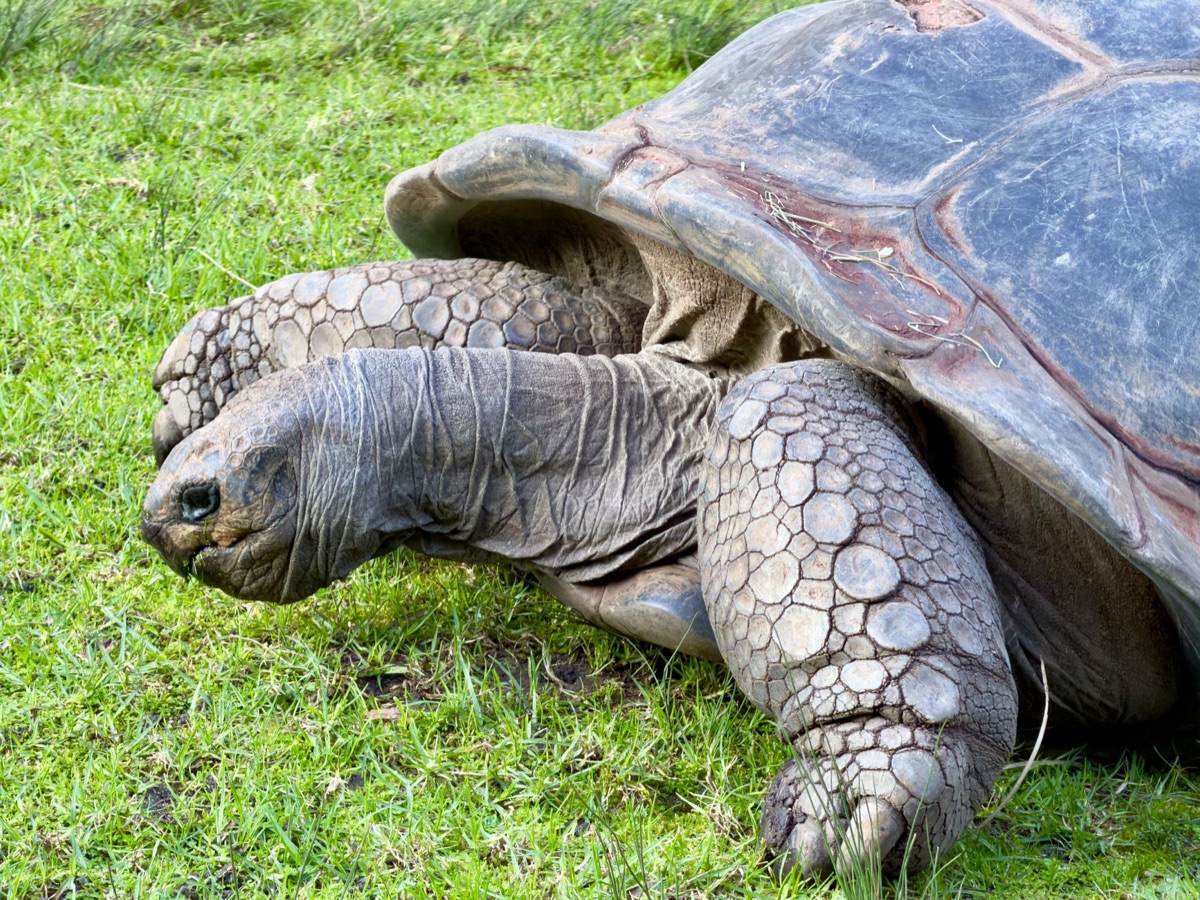
Understanding the Giants: Biology & Facts
A researcher sits on a low stool at 11:00 AM, recording measurements in a notebook while a massive tortoise grazes a few meters away. The scale of the animal is difficult to grasp until you see it in person.
Understanding the biology of these giants helps put their presence into perspective. They are massive, slow-moving organisms with highly efficient metabolisms designed for longevity.
According to Wikipedia: Aldabra giant tortoise, females are generally smaller than males, with average specimens measuring 91 cm (36 in) in carapace length and weighing 159 kg (351 lb).
Their shells, or carapaces, are incredibly sturdy, designed to protect them from both predators and the elements. Their diet consists primarily of grasses, leaves, and various succulents, which they consume with methodical precision.
This slow digestion is part of why they live so long; their life cycle is a testament to energy conservation and evolutionary perfection.
| Feature | Description |
|---|---|
| Primary Habitat | Tropical scrub, grasslands, and coastal vegetation |
| Dietary Type | Herbivorous (grasses, succulents, leaves) |
| Key Physical Trait | High-domed, heavy carapace for protection |
| Movement Style | Slow, deliberate, and energy-efficient |
But what happens to the environment when these giants move through it?
Beyond the Encounter: Responsible Tourism Commitments
A local guide points out a small hatchling emerging from the sand at sunrise, explaining how the community works to protect the nesting sites. The traveler nods, realizing that their presence is part of a larger conservation effort.
A visit to the Seychelles is an investment in the planet's future. Many of the fees collected from visitors go directly toward habitat restoration and anti-poaching initiatives. By choosing to visit, you are often contributing to the very programs that keep these species from extinction.
Local guides are indispensable. They possess the generational knowledge required to navigate the terrain and understand tortoise behavior. Using a certified local expert not only ensures your safety but also ensures that your presence is managed according to the highest ethical standards.
As you leave the islands, carry the memory of the giants with you, but leave nothing behind. True responsible tourism means ensuring that the only thing you leave on the islands are your footprints, and the only thing you take are photographs and a profound respect for the natural world.
❓ FREQUENTLY ASKED QUESTIONS (FAQ)
Q: Can I touch the tortoises? No. To protect their health and prevent stress, there is a strict no-touch policy. Maintaining distance is essential for their well-being.
Q: What is the best time of year to see them? While they can be seen year-round, observing them during the transition between seasons often provides a good balance of activity and manageable weather. Avoid the extreme heat of midday if you want to see them active.
Q: Are they dangerous to humans? While they are generally docile, they are massive animals. They can move faster than they look, and a sudden movement could result in a collision. Always maintain a respectful distance.
Q: How do I contribute to their conservation? Support local eco-tours, use certified guides, and adhere to all park regulations. Your visitor fees often go directly toward protecting their natural habitat.

Comments 0