Seychelles whale protection: 761,000 populations why
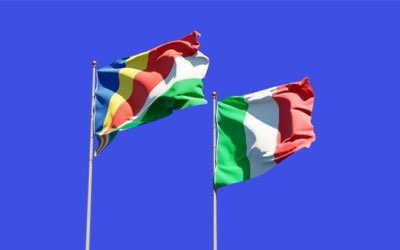
"A letter from the Japanese ambassador explained this grant would not be extended to the tiny island nation due to its position in the International Whaling Commission and stated this decision would be reversed if the attitude of the Seychelles government changed at the IWC."
Seychelles whale protection requires navigating complex international politics and economic pressures within the Indian Ocean.
This guide explores the historical context of marine conservation, the impact of international diplomatic relations on local policy, and the challenges of maintaining environmental standards.

Key takeaways include the influence of global commissions on island nations, the economic realities of tourism, and the historical precedents of species management.
How did international politics affect Seychelles whale protection?
A diplomat's hand trembled as he slid the letter across the mahogany desk in the quiet office, signaling a shift in the future of seychelles whale protection.
A diplomat hands a letter to a government official in a quiet office, outlining the terms of a specific grant. The document clarifies that certain financial support would not be extended to the tiny island nation due to its position in the International Whaling Commission.
This decision was tied to the political stance of the nation regarding whaling policies.
The situation highlights how Seychelles whale protection can be influenced by the shifting attitudes of government officials within global bodies. Such diplomatic pressure suggests that environmental policy in small island nations is often intertwined with international relations.
This makes the pursuit of an Indian Ocean whale zone a matter of both ecological and political maneuvering.
The tension between national sovereignty and global environmental standards defines the history of marine efforts. When a nation holds a position in a major commission, its votes can carry significant weight in global debates.
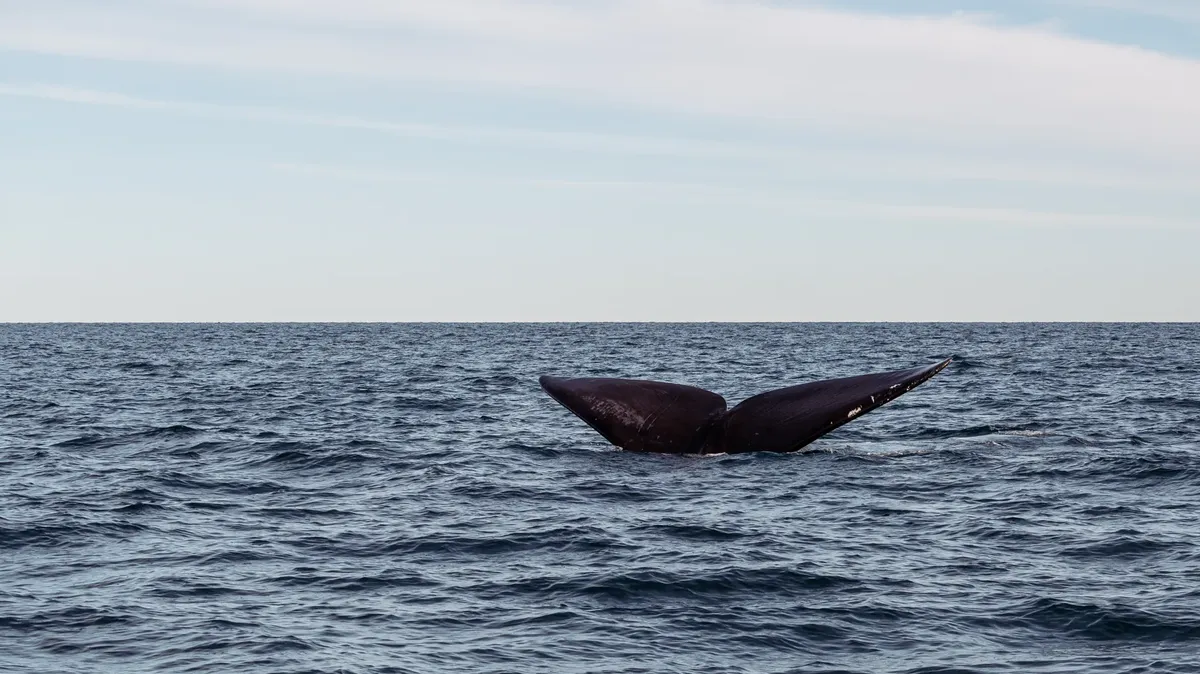
This reality complicates the implementation of a stable Seychelles marine efforts strategy.
What are the historical precedents for managing whale populations?
A scientist reviews data from a 1991 meeting, noting the specific numbers of species in different oceans. As reported by the Japanese Fisheries Agency, anti-whaling campaign groups and some governments claim that the Japanese Fisheries Agency has carried out a programme of "vote-buying"—i.e.
The records show that the Scientific Committee submitted findings regarding minke whale populations, noting 761,000 in Antarctic waters, 87,000 in the northeast Atlantic, and 25,000 in the North Pacific. These figures provided a baseline for understanding global distribution.
These historical findings illustrate how protecting ocean whales depends on accurate, data-driven assessments of population sizes. In 1991, the International Whaling Commission adopted the Revised Management Procedure (RMP), a computerized formula for determining allowable catches.
Such technical frameworks were designed to manage species based on scientific estimates of their numbers.
Understanding these management procedures is vital for any modern effort to establish an Indian Ocean whale zone. While the RMP focused on catch limits, it set a precedent for using scientific data to govern marine life.
This legacy of data-driven management remains a cornerstone of modern conservation efforts.
How does tourism relate to marine conservation?
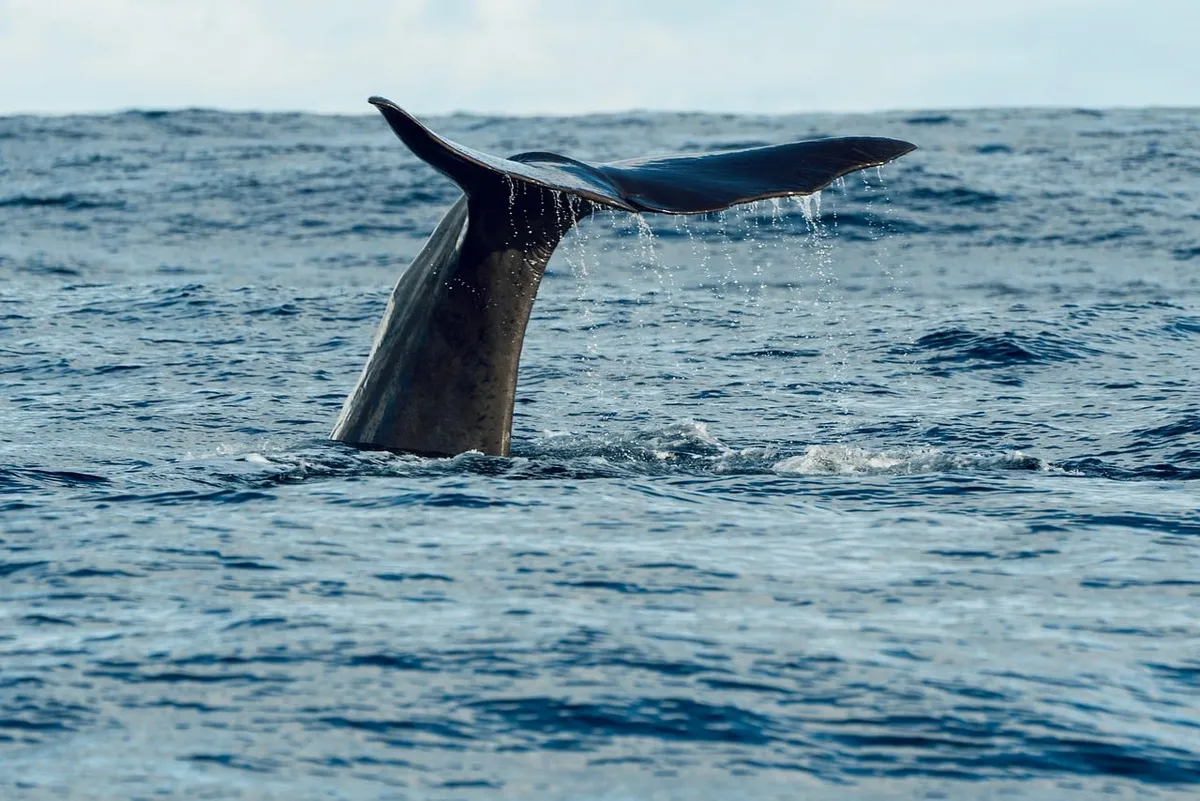
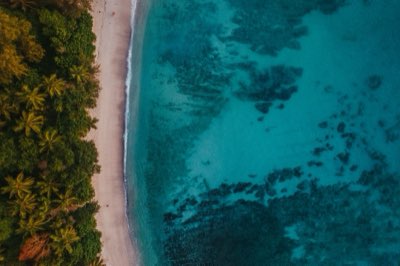
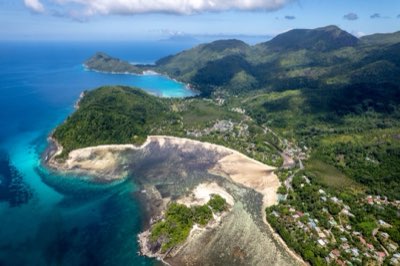
A traveler walks along a coastline, looking out at the vast blue horizon of the Indian Ocean. In 2020, according to World Bank data, Seychelles recorded international tourist arrivals of 124,500. This figure represents the economic scale of a nation that relies heavily on its natural beauty.
The intersection of economic necessity and environmental stewardship is a central challenge for the region. For many island nations, the health of the ocean is directly tied to the success of the tourism industry.
Protecting ocean whales is not just an ecological goal but an economic imperative for sustaining visitor interest.
Sustainable marine management must balance the needs of the local economy with the requirements of wildlife protection. If the natural environment is degraded, the economic benefits of tourism may decline. This reality necessitates a careful approach to any new environmental policy.
What are the steps for navigating international environmental policy?
An official sits at a desk, reviewing a series of policy documents to prepare for an upcoming summit. To navigate these complexities, one must follow a structured approach to policy development.
- Analyze the specific influence of international bodies on domestic policy and funding. 2. Evaluate the scientific data provided by global committees to establish baseline population metrics. 3. Assess the economic impact of environmental regulations on local industries like tourism.
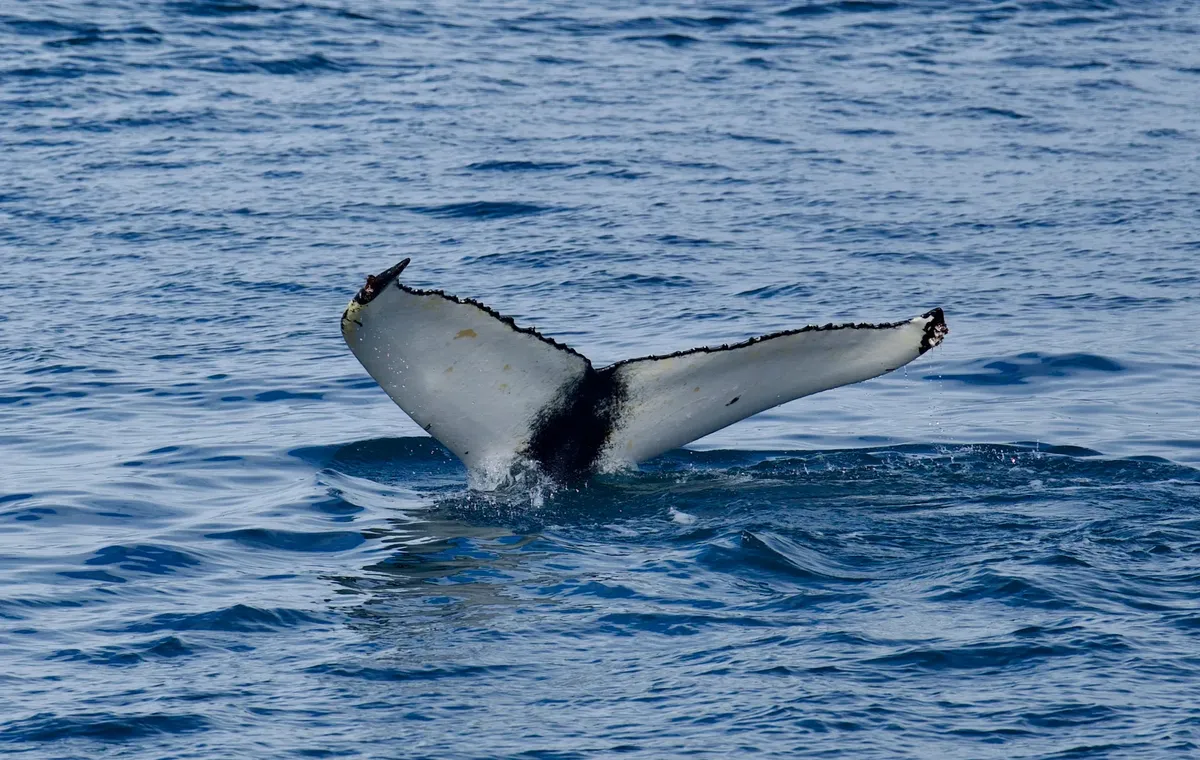
I observed how these three steps require a constant balance between scientific reality and political diplomacy. This process ensures that any new regulation is grounded in both fact and feasibility.
A limitation of these efforts is that policy changes are often contingent on the political alignment of the government with international organizations, as seen in the historical correspondence regarding the tiny island nation.
- How did international politics affect Seychelles whale protection?
- What are the historical precedents for managing whale populations?
- How does tourism relate to marine conservation?
The same subject is also called Seychelles eco policy.
This part also covers Establish whale sanctuary.
This part also covers Indian Ocean stewardship.
Related
- 700% GDP Growth: Seychelles' Currency Reflects National Rise
- Hinduism Roots: Seychelles' Deep Tapestry Since 19th Century
How does the Japanese ambassador's correspondence illustrate the challenges?
The letter from the Japanese ambassador serves as a microcosm of the larger geopolitical hurdles facing the Seychelles. This correspondence demonstrates that even small shifts in international opinion regarding whaling policy can have tangible financial consequences for the island nation.
The condition mentioned was that the grant's extension hinged entirely upon the Seychelles government's evolving stance within the IWC.
This diplomatic exchange underscores the vulnerability of local environmental efforts to global bodies. The decision regarding the grant, tied to the IWC's body, shows that the Seychelles' position in the Commission carries immediate financial weight.
The reversal clause mentioned in the letter implies that the Seychelles had leverage, dependent on changing its stance at the Commission.
The comparison between the grant's status and the IWC's body illustrates the high stakes involved in marine policy. The tiny island nation's ability to influence the outcome rested on its diplomatic posture at the Commission.
This highlights the direct link between international positioning and domestic resource allocation.
FAQ
What was the impact of the 1991 IWC meeting?
How did the Japanese ambassador influence the Seychelles?
Related posts

How do the islands manage such diverse spiritual traditions?

700% GDP Growth: Seychelles' Currency Reflects National Rise
Hinduism Roots: Seychelles' Deep Tapestry Since 19th Century

Comments 0