Hinduism Roots: Seychelles' Deep Tapestry Since 19th Century
"The way various faiths intertwine to form a single island is never by accident."
The turquoise waters and granite shores of the Seychelles often lead travelers to wonder how such a small nation became a tapestry of diverse cultures and religions. Beyond the postcard-perfect scenery lies a deep history of human migration, settlement, and faith.
* Understanding the historical background of Indian-origin migrants * The process of community expansion through demographic shifts * Techniques of social integration and coexistence * The role of temples and future challenges
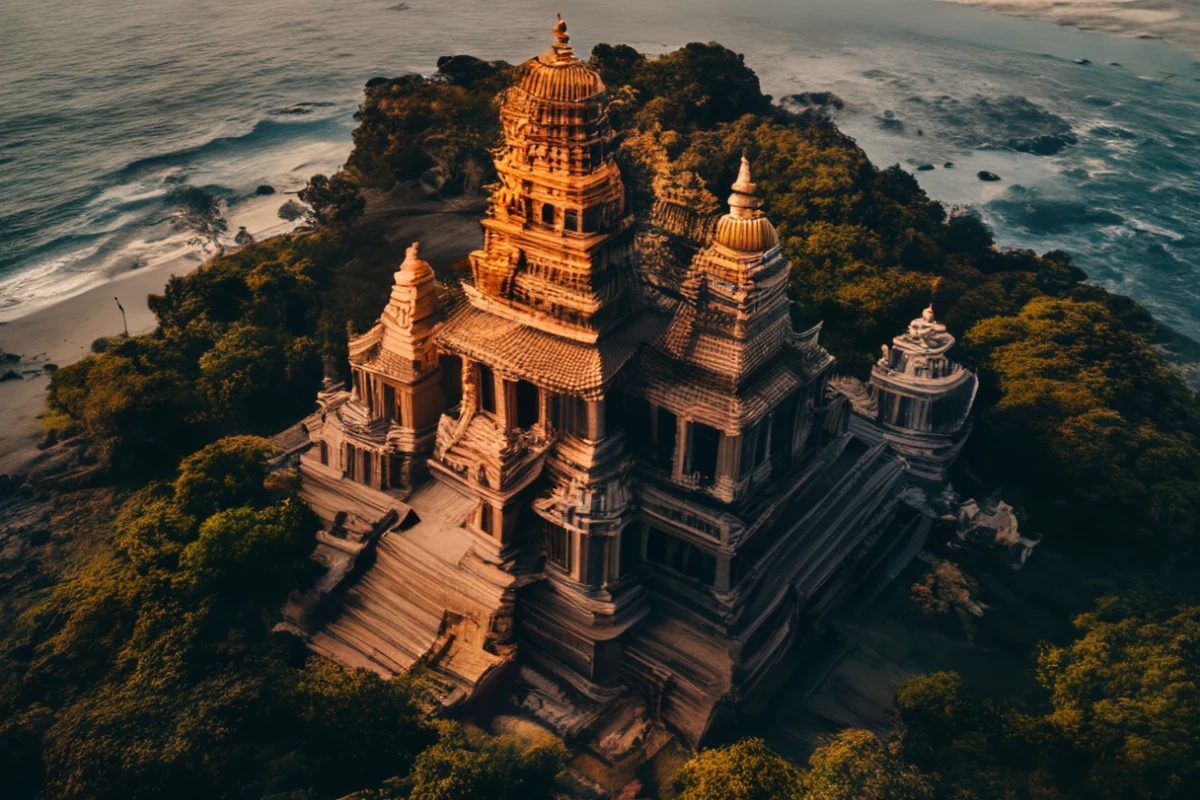
How did Hinduism take root in this Indian Ocean nation?
Walking through the narrow, sun-drenched alleys of Victoria, the scent of heavy incense hits the nose just as intricate statues come into view.
On a bright afternoon in 2025, walking through the tight streets of Victoria, you might catch the sharp scent of incense and see beautifully carved deities. Bright flower garlands and carefully prepared offerings show that this is not just a tourist attraction, but the heart of someone's life.
I remember standing on a corner near the market, watching a local family place a small offering of fruit near a shrine; the transition from the bustling street to that moment of quiet prayer felt seamless.
To understand the religious landscape of the Seychelles, one must look at the migration patterns of the 19th and 20th centuries. During the colonial era, the movement of people seeking economic opportunities brought decisive changes to the nation's demographics.
Specifically, migrants from India and South Asia became vital members of Seychellois society. These individuals built the foundations of society through active involvement in agriculture, commerce, and administration.
As they settled, various belief systems, including Hinduism, were introduced to the islands.
While they began as small groups of immigrants, they formed a unique community by maintaining their traditions while adapting to their new home.
This history proves that the Seychelles is not merely a remnant of European tradition, but a dynamic space where Asian, African, and European cultures intersect. But how did this small community grow to harmonize with the social mainstream?
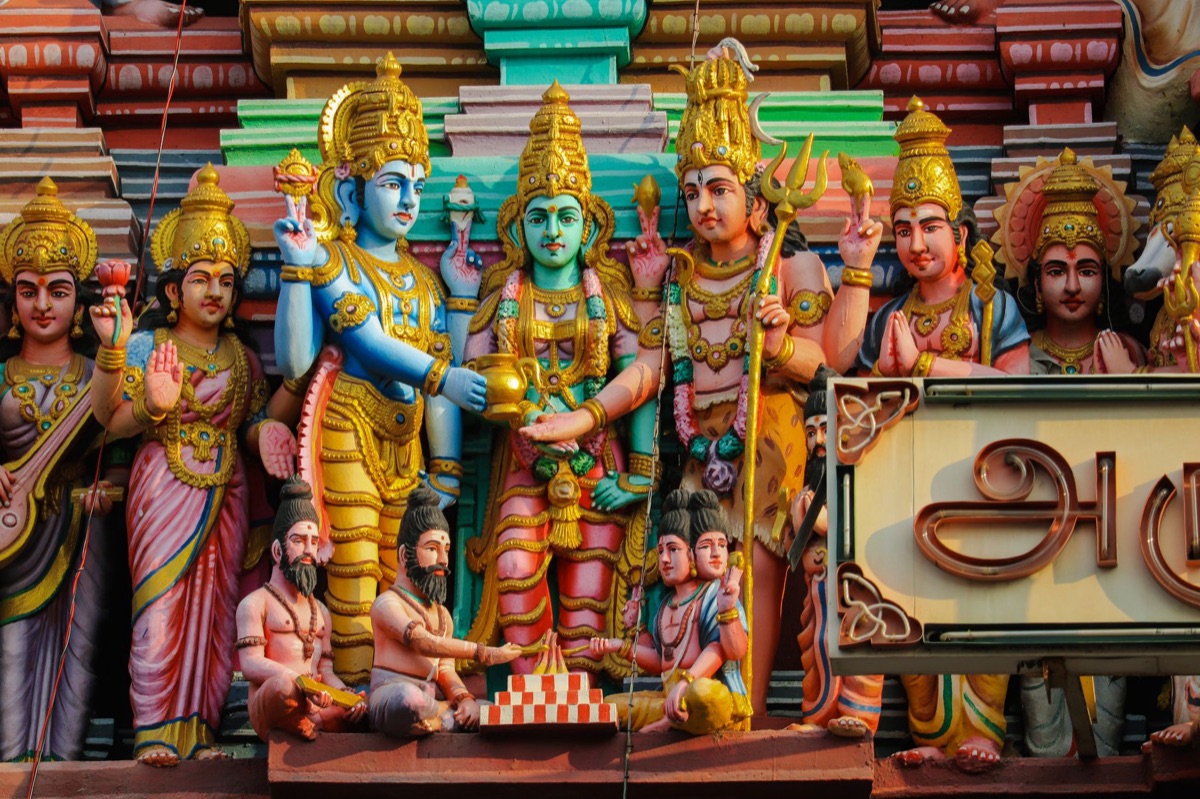
How does the community expand through population changes?
At 5:30 AM, as the cool morning air settles, devotees begin to gather around the temple. As of 2026, the demographic structure of the Seychelles presents a complex and rich layer of history.
According to The World Factbook of the Central Intelligence Agency, as of 2018, 95.9% of the population aged 15 and over could read and write in the Seychelles. Regarding tourism, World Bank data shows that the Seychelles recorded 124,500 international tourist arrivals in 2020.
The demographic structure of the Seychelles is highly unique because people from various ethnic backgrounds live together while maintaining their own identities.
The Hindu community also shifted from a closed structure centered on original immigrants to a more open structure closely connected to the local community.
From a demographic perspective, Hindu followers represent a specific portion of the total population, serving as a pillar of society. Through education and economic growth, they secured social influence, which led to the establishment of religious facilities and active community life.
With the transition of generations, the way young people participate is changing. While maintaining traditional rituals, their way of integrating into modern social systems demonstrates the model of multicultural coexistence that the Seychelles pursues.
In this process, Hinduism has become more than just a religion; it is a key indicator of the nation's demographic dynamism. But growth alone is not the only reason for success.
How can social integration and cultural coexistence be achieved?
On festival days, the streets of Victoria fill with people wearing brightly colored clothing. It is common to see neighbors of different faiths greeting each other and celebrating life's milestones together.
The key to the successful settlement of the Hindu community in the Seychelles was "integration" and "respect." They chose to maintain their unique faith while fostering a complementary relationship with the Catholic-centered culture of the mainstream rather than clashing with it.
This technique of coexistence was facilitated within a legal and institutional framework. The government of the Seychelles guarantees religious freedom for all citizens, providing an environment where various faith communities can perform rituals in public spaces.
The Hindu community, in turn, respected the national identity of the Seychelles and fulfilled its rights and responsibilities as citizens by contributing to local development. Education also played a vital role in cultural transmission.
Alongside learning within the home, community learning spaces became venues for maintaining religious continuity while learning the multicultural values of the Seychelles.
This played a decisive role in ensuring that Hinduism did not remain a "foreign" religion but became part of the Seychellois identity. The question remained: how could this coexistence be maintained?

The role of Hindu temples and the local community
Looking at the intricate carvings inside a temple, the marks of the artisans' hands are clearly visible. The figures of deities carved into cold stone make you feel that this is not just a building, but a place where sacred energy flows.
Hindu temples in the Seychelles serve as much more than places of worship; they are the centers of the community. They are spaces where devotees gather to exchange information, form social networks, and find emotional support.
Temples contribute to the local community through several roles:
- Spiritual Center: Maintaining religious identity and providing mental well-being through traditional rituals and worship.
- Cultural Education Hub: Strengthening cultural roots by teaching language, traditional arts, and ethical values to the next generation.
- Social Network Hub: Providing a foundation for those from immigrant backgrounds to build solidarity and support one another in a new environment.
- Charity and Service Base: Practicing social responsibility by helping vulnerable groups in the community or participating in public events.
Because of these roles, Hindu temples have become a natural part of the Seychelles landscape rather than an outlier. The cohesion of the community centered around these temples forms a pillar of social stability in the country. But can this stable structure endure into the future?
Challenges and prospects for future coexistence
As the sun sets, the sky turns a deep red above the temple grounds. In a changing world, the eyes of those contemplating the balance between preserving tradition and embracing new generations look profound.
The Hindu community in the Seychelles will continue to face changes and challenges. Globalization and accelerated migration will make the community even more diverse, presenting new challenges to traditional ways of worship.
To navigate this transition, the community often follows a specific pattern of engagement:
- Generational Dialogue: Organizing regular community meetings to bridge the gap between elders and youth.
- Digital Preservation: Using social media and digital archives to document traditions for a tech-savvy generation.
- Interfaith Outreach: Hosting open-house events to invite neighbors of other faiths to learn about Hindu traditions.
- Civic Participation: Ensuring community leaders are active in local government and national development discussions.
First, overcoming generational gaps is crucial. The younger generation holds modern values, and how they integrate traditional faith into their lives will determine the future of the community.
Second, there is the challenge of maintaining communication with other religions and cultures within the diversifying demographic structure of the Seychelles.
However, the way the Seychelles has demonstrated coexistence so far is very hopeful. The Hindu community already functions successfully as a part of the Seychelles, and their inclusive attitude serves as an example for all who live in a multicultural society.
The future of the Seychelles lies in this process—where various beliefs do not push each other away but maintain their own colors to create a beautiful rainbow.
| Category | Initial Migration Stage | Growth and Settlement Stage | Modern Society Stage |
|---|---|---|---|
| Key Features | Maintenance of faith by a minority group | Economic foundation and community formation | Harmonious coexistence with the mainstream |
| Core Challenges | Survival and identity maintenance | Establishing social foundation and education | Generational transmission and multicultural integration |
| Social Role | Immigrant solidarity | Initial community participation | Contribution to national pluralism |




Comments 0