Coco de Mer: Seychelles' Keystone Species in Vallée de Mai
"The Coco de Mer is not merely a botanical curiosity; it is the heartbeat of the Seychelles, a prehistoric giant that has guarded these islands for millennia."
If you are traveling to the Seychelles to witness the legendary Coco de Mer, you aren't just looking for a large nut—you are stepping into a living museum of evolution. To truly understand this unique flora, you must understand the specific microclimates of the islands where it thrives.
Key Takeaways * Ecological Role: The Coco de Mer is a keystone species that defines the unique forest structure of the granitic islands. * Optimal Locations: For the most pristine groves, focus your travel on Praslin, specifically the Vallée de Mai.
* Timing: Visit during the transition between seasons to see the forest in its most vibrant, lush state. * Cultural Connection: The plant is a symbol of identity, deeply woven into the history and folklore of the Creole people.
Why is the Coco de Mer Vital to Seychelles' Terrestrial Life?
The humid air of the Praslin forest feels heavy against your skin as you step onto the damp, leaf-strewn floor of the jungle. In the early morning of July 2026, the mist clings to the ferns, making every breath feel thick and sweet.
According to World Bank, Seychelles recorded international tourist arrivals of 124,500 in 2020.
High above, the massive, fan-like fronds of the Coco de Mer intercept the sunlight, creating a cathedral of green that feels worlds away from the bright white beaches of Anse Lazio.
The Coco de Mer (*Lodoicea maldivica*) is an evolutionary marvel, uniquely adapted to the granitic soil and high-humidity environments of the Seychelles.
Unlike many tropical plants that require constant intervention, this species has mastered the art of slow, steady growth within its specific niche.
It acts as a foundational species, providing shade and maintaining the high-humidity microclimate necessary for countless other endemic ferns, orchids, and insects to survive.
While you might see various palm species across the archipelago, the density and sheer scale of the Coco de Mer forests are most significant in the interior forests of the granitic islands. In these areas, the plant serves as an indicator of a healthy, intact ecosystem.
If the Coco de Mer is thriving, it usually means the complex web of soil health and humidity is intact.
On islands like Mahé, you will encounter a much more diverse mix of vegetation, but the specialized habitat required by the Coco de Mer is much more concentrated in the more humid, sheltered pockets of the outer granitic islands.
Observing how the light filters through these massive leaves provides a glimpse into how specialized life can become when it finds its perfect home.
But knowing why it matters is only half the battle; you still have to find where it lives.
Where to Find the Most Pristine Coco de Mer Habitats?
I remember standing at the edge of a clearing in the Vallée de Mai in late 2025, the smell of wet earth and decaying organic matter filling my lungs, as the sheer size of a single nut dwarfed my outstretched hands. It was a humbling moment of realization: this wasn't just a plant; it was a monument.
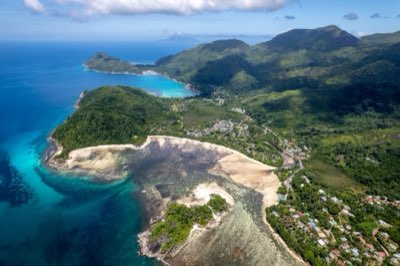
To see the most impressive and authentic groves, your primary destination must be Praslin. The Vallée de Mai is a UNESCO World Heritage site and represents one of the most significant botanical treasures in the world.
The terrain here is rugged, with steep slopes and dense canopy cover that creates a unique microclimate.
* Praslin Focus: The Vallée de Mai is the gold standard. The combination of steep terrain and consistent humidity allows the Coco de Mer to reach its maximum biological potential. * La Digue Focus: While you will find palm diversity here, the groves are often more integrated into the coastal and hillside landscapes, offering a different visual perspective of how the flora interacts with the granite boulders. * Mahé Focus: In the Morne Seychellois National Park, you will find incredible biodiversity, but the specialized Coco de Mer density is lower than on Praslin. Use Mahé for hiking through diverse forests, but head to Praslin for the "heart" of the palm.
For the best experience, pair your botanical tours with moderate hiking. The terrain is often uneven, and the best views of the massive trunks and fallen nuts are found along the winding, shaded paths that lead away from the main visitor centers.
However, finding the right grove is only the beginning of the journey.
Beyond Botany: Coco de Mer in Creole Culture & Local Life
Walking through the Victoria Market in Mahé, the scent of fresh spices and grilled fish mingles with the chatter of local vendors, but the stories told by the elders often drift toward the legends of the islands.
In the heat of a Tuesday afternoon, you can almost hear the weight of history in their voices.
In these stories, the giant nut is often treated with a level of reverence that borders on the sacred. Historically, the Coco de Mer has been a symbol of the Seychelles' isolation and uniqueness. In local folklore, the nut is sometimes viewed as a symbol of fertility and strength.
While it is not a primary food source, its presence has shaped the identity of the people who call these islands home.
| Aspect | Traditional/Cultural Context |
|---|---|
| Symbolism | Represents the strength and unique identity of the Seychelles. |
| Art & Craft | Used as a centerpiece in traditional decor and as a subject of local artistry. |
| Folklore | Often featured in legends regarding the "lost" islands and prehistoric life. |
| Tourism | Serves as the primary biological ambassador for the islands. |
In the past, there were various uses for the materials of the palm, but today, its primary role is as a biological icon.
When engaging with local guides, ask about the legends of the "Sea Coco." You will find that the plant is not just a biological entity but a piece of living heritage that defines the Creole spirit. But how do you actually plan a trip to see this without getting lost in the logistics?
Planning Your Eco-Immersion: Timing & Logistics
The sun rises over the Indian Ocean, casting long, golden shadows through the palm fronds, and you realize that the humidity is already climbing toward its midday peak. It is in these early hours that the forest feels most alive, breathing with the rhythm of the morning dew.
To maximize your ability to observe the flora in its most vibrant state, timing is everything. The transition between the dry season and the wetter months provides excellent visibility and lushness.
- Optimal Season: The months of May through October generally offer more stable weather, making hiking through the dense forests safer and more comfortable.
- Tour Sequencing: Start your journey on Mahé to acclimate to the tropical climate, move to Praslin for the intensive botanical immersion, and finish on La Digue for a more relaxed, coastal botanical experience.
- Daily Rhythm: Always plan your forest treks for the early morning. The light is better for photography, and the temperature is much more manageable before the midday heat sets in.
- Logistics Note: Inter-island travel is typically handled by ferry or small aircraft. For a deep dive into the flora, booking a multi-island itinerary that includes Praslin is non-negotiable.
While the plan sounds straightforward, there are nuances to the environment that can catch you off guard.
Responsible Viewing: Protecting Seychelles' Flora
I watched a group of tourists approach a fallen nut, and the sudden tension in the air was palpable; you realize that even a single footprint in the wrong place can disrupt a delicate balance. The responsibility of the visitor is to be a shadow in the forest, not a disruption.
The ecosystems that support the Coco de Mer are incredibly fragile. Because these plants grow so slowly, any damage to the soil or the surrounding vegetation can take decades to repair.
* Strict Non-Interference: Never touch, move, or attempt to collect parts of the plant. The oils from human skin can sometimes affect sensitive surfaces, and the legal ramifications of removing biological material are severe. * Stay on Marked Paths: In areas like the Vallée de Mai, staying on the designated trails is mandatory to prevent soil compaction and the destruction of smaller endemic seedlings. * Environmental Sensitivity: Remember that you are a guest in a highly specialized habitat. High humidity and specific soil compositions are easily disrupted by human interference.
It is important to note that these tips apply to the primary granitic islands. In more remote or less protected coastal areas, the ecological rules may differ, but the principle of minimal impact remains universal.
#


Comments 0