Seychelles Expedition: Observing Giant Tortoises in Aldabra
"To stand in the shadow of a creature that has outlived empires is to understand the true meaning of time."
If you are planning a journey to the Seychelles, you likely already know about the white sands of Anse Source d'Argent. But for the traveler who seeks the pulse of the planet, the real pilgrimage lies far to the south, in the remote reaches of the Aldabra Atoll.
* Aldabra is a strictly regulated ecological sanctuary, not a standard tourist destination; successful visits require specialized planning and permits. * Optimal observation relies on understanding seasonal activity cycles and securing professional guided access. * Logistics, including chartering research vessels and managing long-distance travel, are the primary hurdles to a successful expedition.
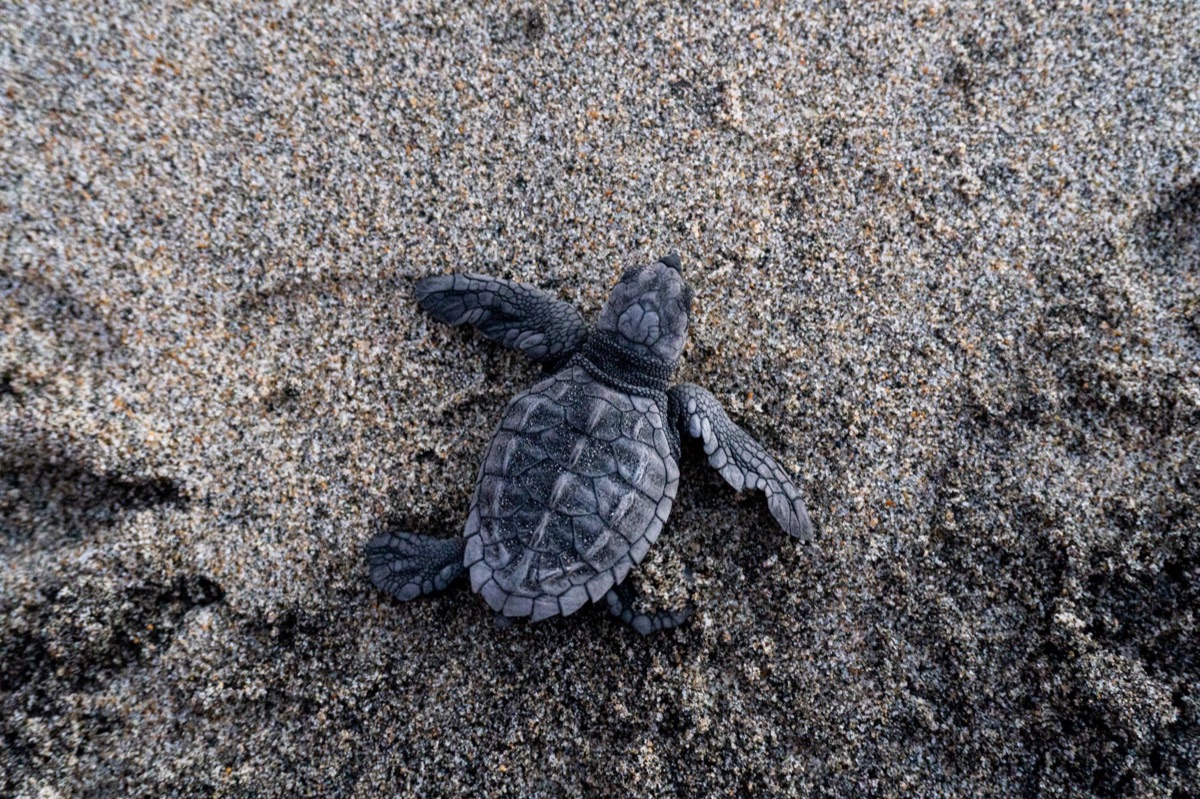
Why Aldabra? Understanding the Tortoise Ecosystem
The sun beats down on the limestone plateaus, and the only sound is the rhythmic scraping of prehistoric shells against scrubland.
You stand at the edge of a world that feels entirely disconnected from the 21st century, looking at a population of tortoises that represents a living lineage of evolutionary history.
The Aldabra giant tortoise is one of the largest tortoises in the world, and its isolation on this remote atoll has allowed it to thrive in a way few other species can.
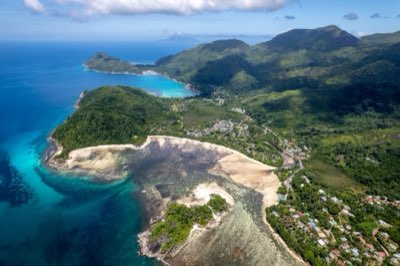
While the Seychelles archipelago is famous for its granite islands like Mahé and Praslin, Aldabra represents a different kind of biological treasure.
It is a massive raised coral atoll, covering a total area of 244 km2 (94 sq mi), which accounts for 54% of the total land area of the Seychelles and 98% of the entire population. This vastness provides a unique habitat that supports a massive, self-sustaining population of tortoises.
For the high-end nature enthusiast, this is the ultimate prize. Unlike a standard luxury resort stay, a visit to Aldabra is a deep-dive into pure endemism.
This is not a place for those seeking a poolside cocktail; it is for the traveler who values the privilege of witnessing a biological masterpiece in its natural, undisturbed state.
Because the atoll is so remote, the journey requires significant logistical coordination, making it a bucket-list item for the truly dedicated.
But there is a catch to this pristine isolation.
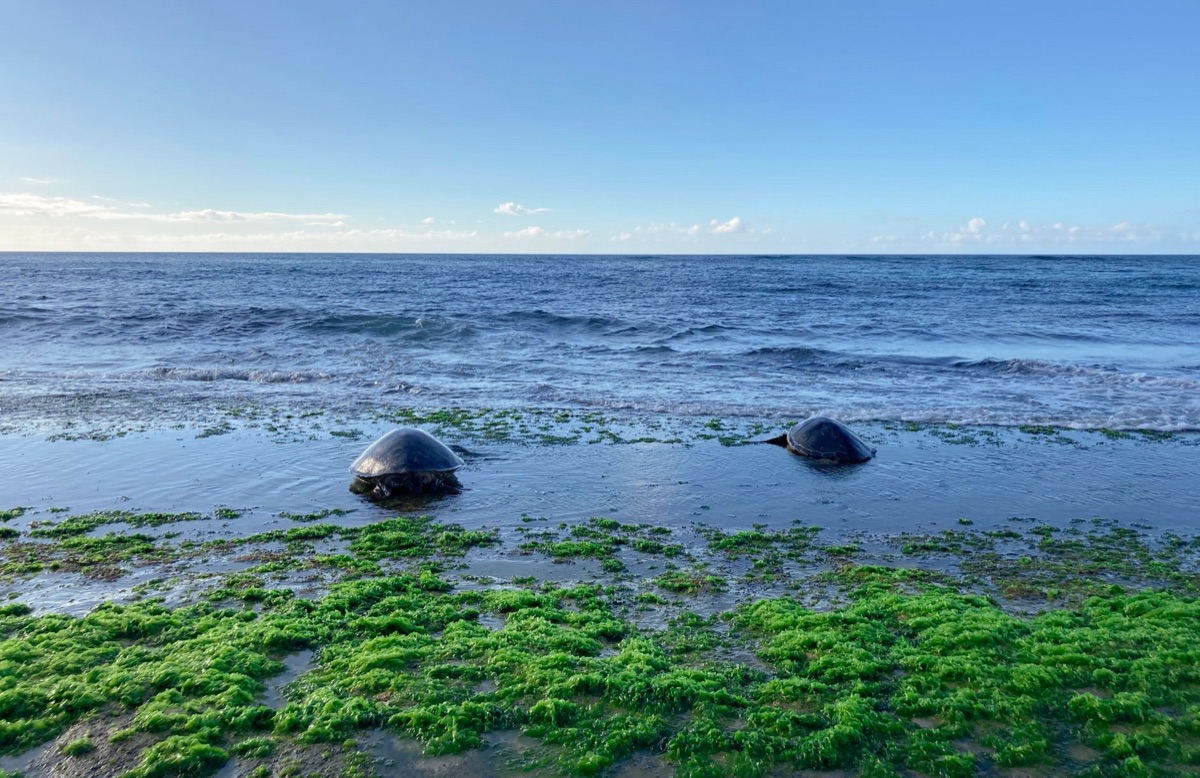
When is the best time to go for sightings? A heavy tropical rain begins to fall, turning the dusty paths into slick tracks, and you realize that the timing of your arrival dictates everything about the encounter you are about to have.
You check your watch, wondering if the tortoises will be active enough to warrant the long trek through the vegetation.
Successful observation is heavily influenced by the seasonal cycles of the tortoises. While they are present year-round, their activity levels—specifically regarding breeding and feeding—fluctuate.
In the cooler months, such as July and August, the average low is about 24 °C (75 °F), providing a more temperate environment that can influence how much time the tortoises spend basking versus foraging.
Planning lead time is critical. Because access to Aldabra is so limited, you cannot simply decide to go on a whim. In my own experience planning a trip in early 2025, I found that securing a seat on a specialized charter required nearly six months of coordination.
You must coordinate with specialized charter operators and research-aligned expeditions months in advance.
A successful observation expedition is a marathon, not a sprint; you are not just looking for a quick photo op, but rather timing your presence to coincide with the biological rhythms of the atoll.
However, knowing when to go is only half the battle; you also have to know how to get there.
How do I handle access, permits, and logistics? The small charter plane bounces through the air, and you look down at the vast expanse of turquoise water separating you from the remote atoll. You know that once you land, every move you make will be governed by strict environmental protocols designed to protect this fragile ecosystem.
Access to Aldabra is strictly controlled by the Seychelles government to prevent habitat degradation. You cannot simply charter a boat and land on the beach. Most visitors arrive via specialized research vessels or highly regulated charter flights.
Permits are mandatory, and these are typically managed through professional guides or scientific organizations that oversee the atoll's management.
When building an itinerary, you must account for the significant travel time. If you have allocated five days to the main islands of Mahé and Praslin, you must treat the Aldabra portion as a separate, intensive leg of the journey. It is a journey of transition.
Once on-site, the rules of conduct are absolute: you must maintain a respectful distance, you are strictly forbidden from feeding the animals, and you must follow the lead of your guides to ensure minimal impact on the terrain and the wildlife.
But once you are actually on the ground, how do you find them?
Maximizing Your Observation Success Rate
The morning mist clings to the vegetation, and you crouch low, watching a massive, dark shape move slowly through the brush. You hold your breath, waiting for the creature to emerge fully into the light so you can witness the sheer scale of its shell.
To maximize your chances of a meaningful encounter, you must learn to read the environment. Tortoises are masters of energy conservation. Watch for basking patterns—they often seek out specific sun-drenched patches to regulate their temperature.
In other parts of the day, you may find them in more shaded, vegetated areas during feeding cycles.
| Feature | Observation Tip | Essential Gear |
|---|---|---|
| Basking Behavior | Look for open, sunny plateaus during cooler mornings. | High-quality binoculars |
| Feeding Habits | Check low-lying scrub and grassy clearings during cooler periods. | Telephoto lens (300mm+) |
| Movement | Watch for slow, rhythmic shifts in the vegetation. | Durable, waterproof field boots |
| Shelter/Rest | Check shaded areas during the heat of the midday sun. | Lightweight, breathable clothing |
Success requires patience. Do not expect a guaranteed "sighting" every hour. The tortoises move at their own pace, and sometimes the best way to see them is to find a quiet spot and let them come to you.
A professional-grade telephoto lens is essential so you can capture the detail of their ancient skin and shells without encroaching on their personal space.
But the tortoises are only one piece of a much larger puzzle.
Beyond the Tortoise: Aldabra's Wider Biodiversity
The sound of a bird's call echoes through the canopy, and you realize that while the tortoises are the stars, they are part of a much larger, intricate web of life. The sheer diversity of the atoll is staggering, offering a glimpse into an untouched prehistoric world.
According to the Central Intelligence Agency, 95.9% of the population aged 15 and over can read and write in the Seychelles as of 2018. According to the World Bank, Seychelles recorded international tourist arrivals of 124,500 in 2020.
While the giant tortoises are the primary draw, Aldabra is a sanctuary for a wide array of other unique species. The atoll supports diverse bird populations and unique marine life that thrives in the surrounding waters.
The combination of the unique land-based fauna and the pristine marine environment makes the entire area a biological powerhouse.
Quick Comparison: Aldabra vs. Main Islands
- Accessibility: Main islands (Mahé/Praslin) are easy to reach; Aldabra requires specialized charters and significant planning.
- Infrastructure: Main islands offer luxury resorts; Aldabra offers minimal, strictly regulated field accommodations or vessel-based stays.
- Focus: Main islands are for relaxation and beaches; Aldabra is for intensive nature observation and scientific interest.
Essential Checklist for the Aldabra Traveler
- Secure Permits: Ensure all environmental and entry permits are finalized through official channels well in advance.
- Pack Light but Professional: Bring high-quality optics (binoculars and telephoto lenses) and rugged, earth-toned clothing.
- Prepare for Logistics: Factor in significant travel time and potential weather delays into your total itinerary.
- Respect the Protocol: Study the local conservation rules before arrival to ensure you are a responsible visitor.



Comments 0