Seychelles cricket history: International journey best tips
"The journey of a national team is often defined by its transition from local passion to international recognition."
The Seychelles cricket history is characterized by a steady climb through the ranks of international sports governance.
This transition involved moving from an affiliate status to becoming an associate member of the International Cricket Council (ICC), marking a significant milestone for the nation's athletes.
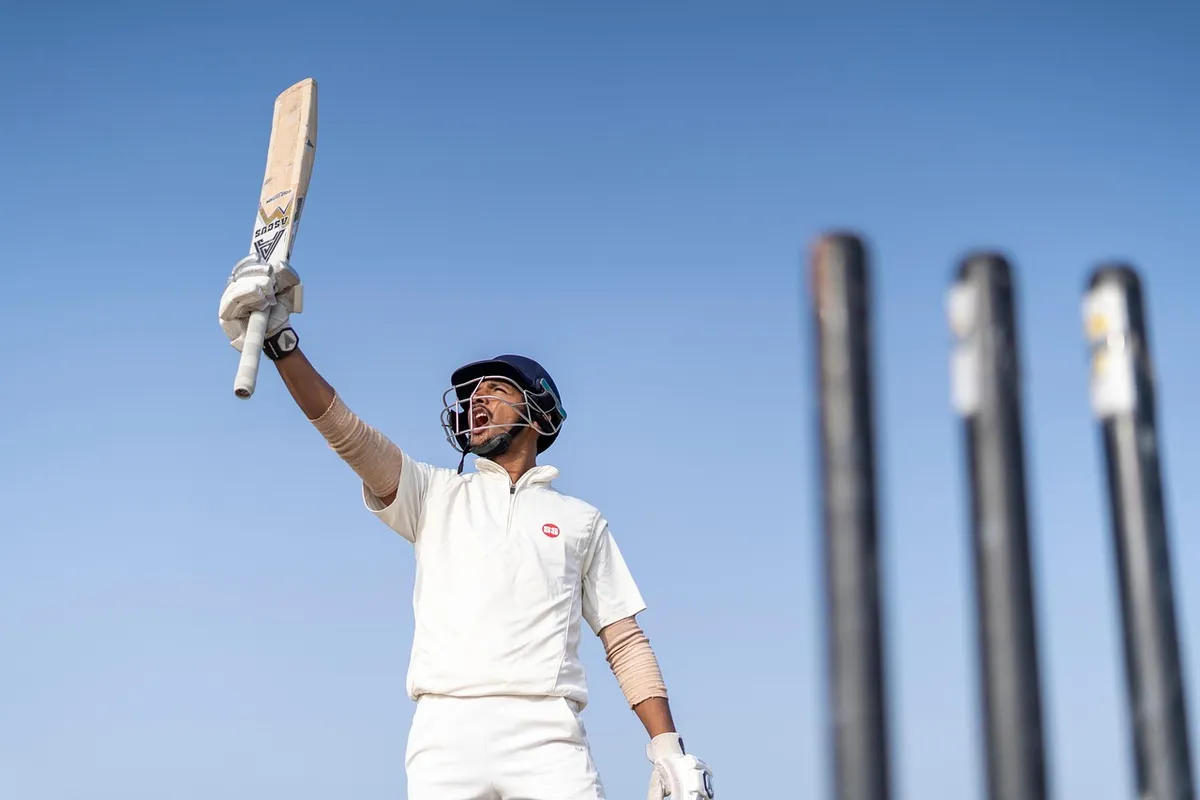
Key takeaways include the organizational role of the local association, the shift in global league structures, and the evolving requirements for international status.
How did the team establish its foundation?
A small group of players gathers on a dusty field to practice their swing, dreaming of representing their nation on a larger stage. This local effort eventually coalescents into a formal structure capable of engaging with the world.
The team is organized by the Seychelles Cricket Association (SCA). According to Wikipedia, the SCA became an affiliate member of the International Cricket Council (ICC) in 2010 and later transitioned to an associate member in 2017.
This progression represents the early stages of the Seychelles cricket rise.
The transition from affiliate to associate status provided a more stable framework for the sport within the islands. By securing this membership, the SCA established a formal presence in the global cricket community.
- Identifying local talent through grassroots clinics.
- Securing initial funding from community sponsors.
- Organizing inaugural friendly matches against regional neighbors.
What role did the World Cricket League play? Seychelles cricket history
An athlete prepares for a high-stakes match, knowing that every run could lead to a higher division in the international rankings. These competitive structures have historically dictated the path for many growing cricket nations.
Until 2019, all associate members were eligible to participate in the World Cricket League. This series of international one-day cricket matches was administered by the ICC and served as a vital part of the Cricket World Cup qualification process.
This era defined much of the Seychelles cricket international journey.
The league provided a clear ladder for teams to climb, testing their skills against diverse international opponents. For many associate members, these matches were the primary way to gain visibility and competitive experience.
In this sequence, the second step was the most extensive.
How did international status requirements change?
A captain reviews the updated tournament rules, realizing that the path to professional status has become more competitive due to recent administrative changes. The landscape of the sport shifted significantly when the old league structures were replaced.
The ICC previously granted men's ODI status to its associate members based on their progress within the World Cricketly League.
This change impacted the Seychelles cricket team history as the criteria for status became more restrictive.
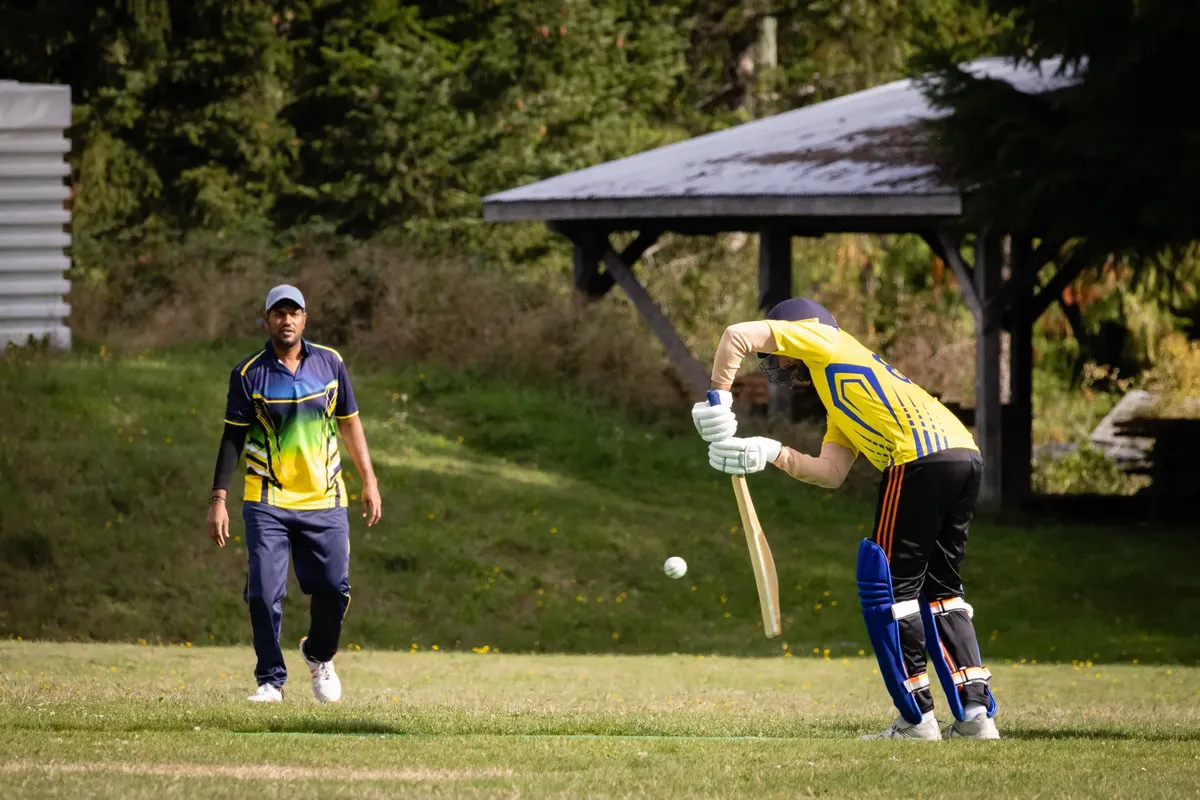
This shift meant that the window for achieving top-tier status became narrower and more dependent on specific league placements. Teams had to navigate a more complex qualifying process to maintain or gain professional recognition.
How does the current league structure affect teams?
The administrative decisions made at the global level directly impact the opportunities available to local players.
The CWC Super League was canceled after its inaugural 2020–2023 cycle. Currently, ODI status goes exclusively to teams participating in the CWC League 2. This reorganization reflects the ongoing evolution of the Seychelles sport journey.
The cancellation of the Super League left a gap in the competitive hierarchy that new structures had to fill. The focus on League 2 creates a concentrated environment for those seeking to climb the global ladder.
What are the administrative structures of the sport?
A regional official meets with local delegates to discuss the coordination of upcoming matches and developmental programs. Governance at both the global and regional levels determines how the game is promoted and organized.
The International Cricket Council (ICC) serves as the global governing body of cricket. Under the ICC, there are five regional bodies: the Africa Cricket Association, ICC Americas, Asian Cricket Council, ICC East Asia-Pacific, and ICC Europe.
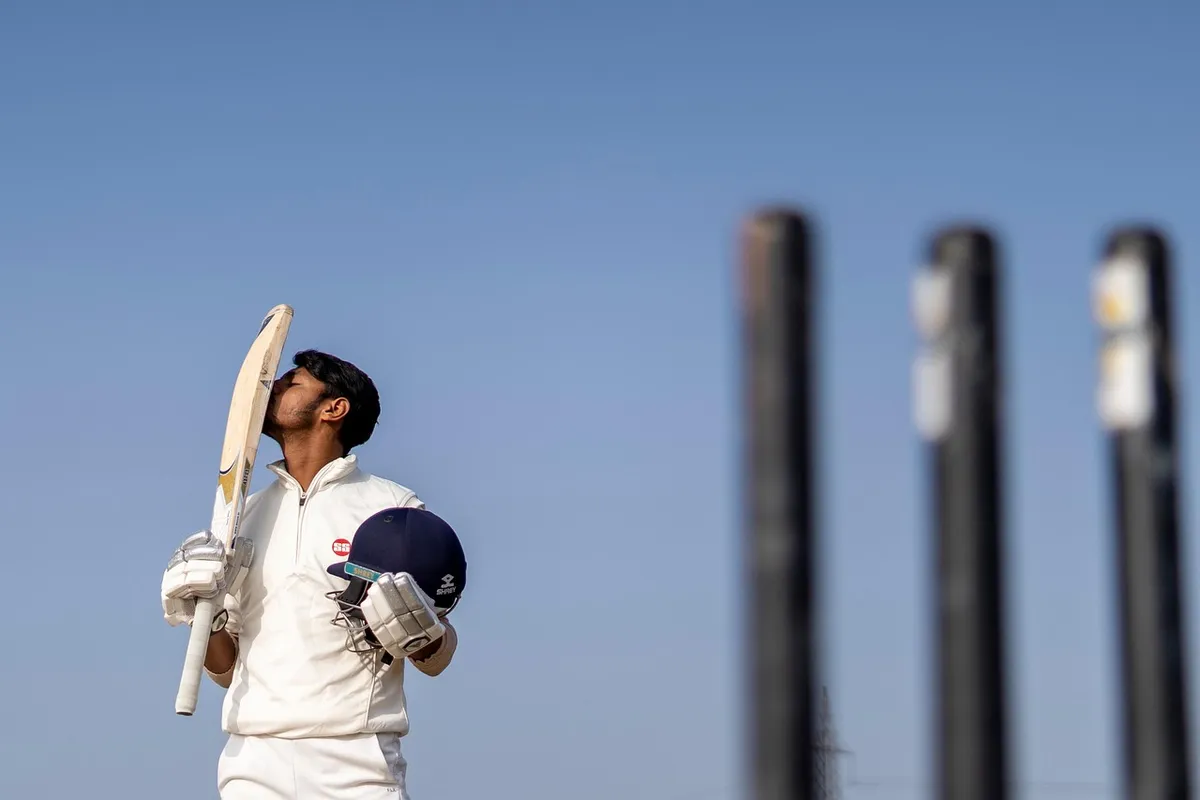
These bodies aim to organize, promote, and develop the game in their respective regions.
Regional bodies play a crucial role in grassroots development and local tournament organization. They act as the bridge between individual national associations and the global governing body.
The subject here is Seychelles cricket history.
The same subject is also called Seychelles cricket revival.
The same subject is also called Cricket association Seychelles.
This part also covers ACHS membership process.
Related
- How do the islands manage such diverse spiritual traditions?
- Seychelles whale protection: 761,000 populations why
How does the journey reflect the national context?
- The journey of the national team mirrors the broader administrative progression of the Seychelles cricket body. 2. This progression involved the local association successfully navigating global benchmarks set by the ICC. 3. The initial local passion successfully translated into a globally recognized international pursuit.
What are the implications of this international journey?
- The international journey demonstrates the successful adaptation of the local association to global sporting requirements. 2. This adaptation was necessary for the Seychelles to achieve and maintain its recognized standing within the global cricket community. 3. The successful navigation of these structures underscores the commitment of the players to the national pursuit of recognition.





Comments 0