7-Day Seychelles Trip: Mahé, Praslin, La Digue Guide
"The true soul of the islands isn't found in the infinity pools of a luxury resort, but in the steam rising from a bowl of spicy octopus curry in a bustling market."
If you travel to Seychelles expecting only white sand and turquoise water, you will miss the heartbeat of the archipelago. To truly understand this place, you must look past the granite boulders to the people, the flavors, and the complex history that created the Creole identity.
* The Mosaic Identity: Seychelles is a blend of African, Indian, and French influences that forms a unique, living Creole culture. * Strategic Island Hopping: A balanced trip requires splitting time between Mahé (the hub), Praslist (the nature lover's heart), and La Digue (the slow-paced sanctuary). * Market-Driven Immersion: Visiting local markets like Victoria Market is the fastest way to connect with the authentic rhythm of island life. * The Luxury-Local Balance: The best itineraries pair high-end stays with deep dives into local villages and traditional dining.
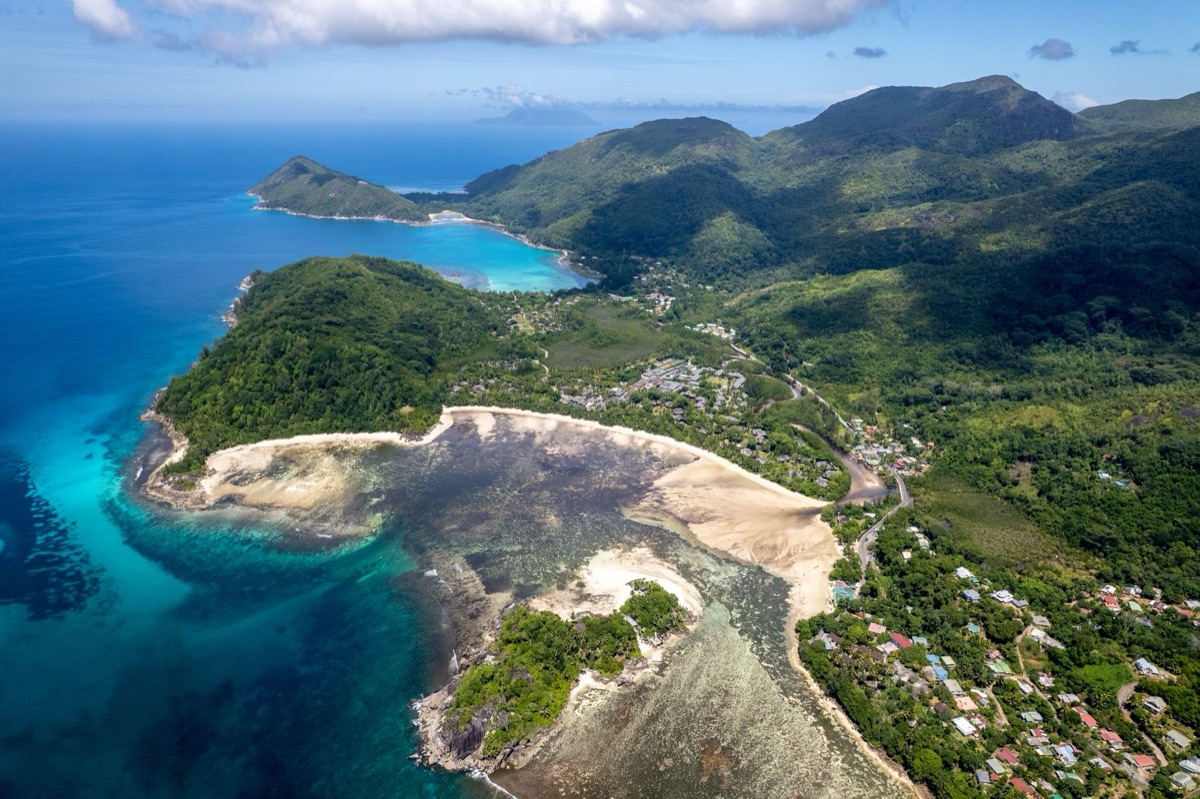
Why Go Beyond the Beach? Unlocking the Creole DNA
The sun hit the colorful wooden shutters of a small house in Victoria at 8:30 AM as I walked toward the market, the scent of cinnamon and salt air thick in the morning heat.
Most travelers arrive with a mental image of a static paradise, a postcard frozen in time, but Seychelles is a living, breathing entity shaped by centuries of migration.
In 2025, as global travel surged, many visitors realized that the postcards don't capture the heat of the midday sun or the smell of drying fish.
The Creole identity is not a single thing; it is a convergence of African, Indian, and French roots that fused in isolation to create something entirely original. While the granite boulders of the islands provide a dramatic stage, the culture is the performance.
You see it in the architecture of the colonial-style houses and hear it in the melodic cadence of Seychellois Creole. In the current 2026 travel season, these heritage sites remain the most vital links to the past.
To find the pulse of the islands, you must step away from the private beach stretches. While the luxury resorts offer curated perfection, the genuine cadence of life is found in the village squares and the local markets.
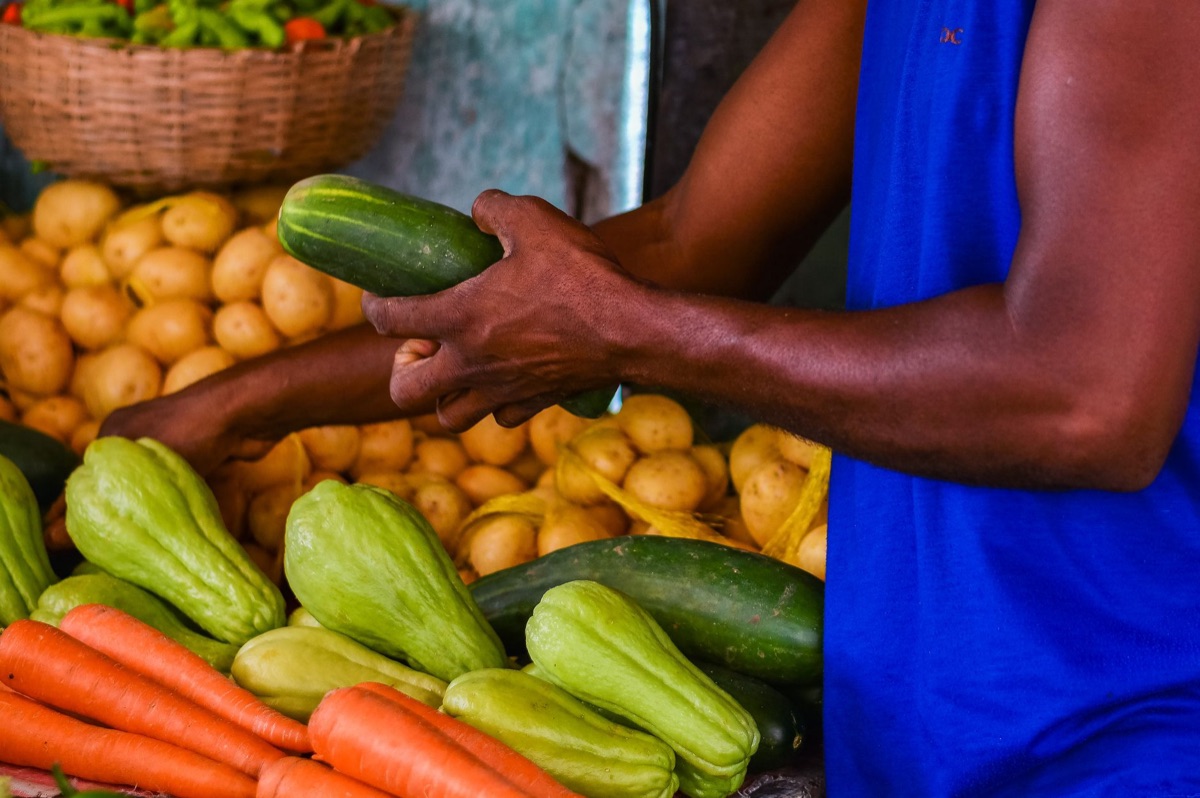
In the morning, the hustle of the port and the quiet dignity of local fishermen tell a story that no five-star buffet can replicate. The Victoria Market in Mahé serves as the ultimate sensory gateway.
Walking through its iron-framed halls, you encounter the vibrant colors of local spices, the smell of fresh catch, and the polite but firm negotiations of local vendors.
It is a place of transition where the modern economy meets deep-seated tradition. But how do you actually move between these worlds without getting lost in the logistics?
Navigating the Islands: A Strategic Allocation Guide
I stood on the deck of a ferry at 10:00 AM, watching the silhouette of Mahé shrink as we pushed toward the lush greenery of Praslin, wondering how to best divide my remaining days. Planning a trip to Seychelles requires a strategic understanding of how each island functions within the archipelago.
The three main islands—Mahé, Praslin, and La Digue—each offer a distinct personality. Mahé is the administrative and logistical hub, offering mountainous terrain and diverse access. Praslin is often considered the biodiversity hotspot, home to the legendary Vallée de Mai.
La Digue is the sanctuary of slow living, where the pace of life is dictated by bicycles rather than cars.
Because of these differences, your itinerary must be sequenced logically to avoid spending your entire vacation in transit. A common and effective way to structure a 7-day trip is as follows:
- Mahé (2 Days): Focus on the capital, Victoria, and the scenic drives through the mountains.
- Praslin (2 Days): Explore the unique flora and the stunning beaches like Anse Lazio.
- La Digue (3 Days): Embrace the slow pace, cycling between hidden coves and visiting the giant tortoises.
Logistics are the backbone of a smooth journey. While private transfers offer comfort, the inter-island ferries are the lifelines of the archipelago.
In 2026, ferry schedules remain the primary way to move between islands, typically costing between 50 and 100 Euros per person depending on the vessel.
When booking, consider that travel between islands can take anywhere from 15 minutes to an hour, so group your activities by island to minimize time spent on the water.
| Island | Primary Vibe | Best Activity |
|---|---|---|
| Mahé | Hub & Adventure | Hiking & Cultural Exploration |
| Praslin | Nature & Biodiversity | Botanical Gardens & Beach Hopping |
| La Digue | Slow Living & Charm | Cycling & Coastal Wandering |
The transition from the high-speed ferry to the quietest village is jarring, but the real challenge begins when you step off the boat and into the local scene.
Beyond the Villa: Immersing in Authentic Seychellois Life
The steam from a freshly prepared fish curry rose from a ceramic bowl at 1:00 PM, mixing with the sound of laughter from the neighboring table in a small, an open-air cafe. To eat in Seychelles is to taste its history.
The local palate is a sophisticated blend of spices, coconut, and the freshest seafood imaginable. While fine dining is available at the luxury resorts, the true culinary soul lies in Creole dishes like *octopus curry* or *venison stew*.
For an authentic experience, seek out local "takeaway" spots or small family-run restaurants.
These are often where you will find the most flavorful, spice-rich meals that reflect the true local diet. In my own experience, a 15 Euro meal at a local takeaway often outperformed a 100 Euro resort dinner in terms of pure flavor.
Navigating a local market requires a bit of a ritual. To get the best produce, arrive early in the morning when the catch is freshest and the selection of tropical fruits—like mangoes, papaya, and breadfruit—is at its peak.
While some bargaining is common in casual settings, it is always done with a smile and a respectful tone. Cultural touchpoints are often found in the small gestures. A polite "Bonjour" or "Bonzour" goes a long way.
The local community is generally welcoming but values privacy and respect for their way of life.
Observing local customs, such as dressing modestly when visiting village areas, ensures a smooth and respectful interaction. But as beautiful as the food and culture are, there is a logistical side to the dream that many travelers overlook.
Planning Your Perfect Escape: Logistics and Decision Points
I sat in a quiet courtyard of a local guesthouse at dusk, looking at my budget spreadsheet and weighing the pros of a luxury villa against a charming local stay. Deciding how to split your budget between luxury and local immersion is the most important decision you will make.
The accommodation spectrum in Seychelles is wide. Luxury resorts are often isolated on their own private islands or remote corners of Mahé, offering unparalleled privacy.
However, local guesthouses and boutique homestays provide a much closer connection to the community and often at a fraction of the cost.
* The Luxury Traveler: Best suited for those seeking total seclusion. They should focus on high-end resorts on Mahé or private islands. * The Cultural Explorer: Best suited for those who want to live like a local. They should prioritize guesthouses on La Digue or Praslin. * The Balanced Traveler: A mix of both—using luxury resorts for the "honeymoon" portion and local stays for the "adventure" portion.
Budgeting must account for the fact that Seychelles is not a low-cost destination. While local food and guesthouses are manageable, inter-island travel and high-end dining can add up quickly. In 2026, travelers should expect to budget at least 150 to 250 Euros per day for a mid-range experience.
It is wise to set a realistic daily budget that accounts for both planned luxury and the occasional splurge on a private boat charter. But once you have settled into your room, you realize the real magic isn't in the pillows, but in the backyard.
Wildlife Encounters: A Naturalist's Eye
The massive, wrinkled shell of a giant tortoise felt like ancient stone under my gaze as it moved slowly through the tall grass at 4:00 PM. Beyond the human element, the wildlife of Seychelles is a primary reason for its global significance.
The islands are a sanctuary for species found nowhere else on Earth.
The biodiversity is a major draw, particularly the presence of the Aldabra Giant Tortoise and the unique *Coco de Mer* palm. Protecting these ecosystems is a way of life here. In 2025 and 2026, conservation efforts have become even more central to the local economy.
When visiting protected areas or national parks, it is essential to follow local regulations regarding trekking paths and wildlife interaction to prevent habitat degradation. For those interested in nature, the islands offer a tiered experience.
You can observe birdlife in the lush forests of Praslin or snorkel through vibrant coral reefs.
Always remember that these are fragile environments; use reef-safe sunscreen and never touch the marine life or disturb the tortoises. The natural beauty of the islands is a constant reminder of why conservation is so central to the Seychellois way of life.
As you plan your journey, remember that you are a guest in a delicate, living museum. Respecting the boundaries of the wild is the best way to ensure these islands remain vibrant for generations to come.
#
Comments 0