Seychelles Travel Guide: Weather, Crowds, and Budgeting Tips
"The perfect moment to visit the Seychelles is whenever your priorities align with the rhythm of the Indian Ocean."
Deciding when to fly to these islands is the single most important choice you will make for your itinerary.
It dictates whether you will be snorkeling in crystal-clear visibility or hiking through lush, rain-soaked jungles, and whether you will pay a premium for a luxury villa or score a massive discount at a boutique guest house.
Key Takeaways * High season offers the best weather but requires much higher budgets and advanced bookings. * The wet season provides lush scenery and lower prices but necessitates flexibility for rain.
* Strategic island hopping between Mahé, Praslin, and La Digue helps balance crowds and costs. * Understanding seasonal wind patterns is vital for choosing between beach days and hiking days.
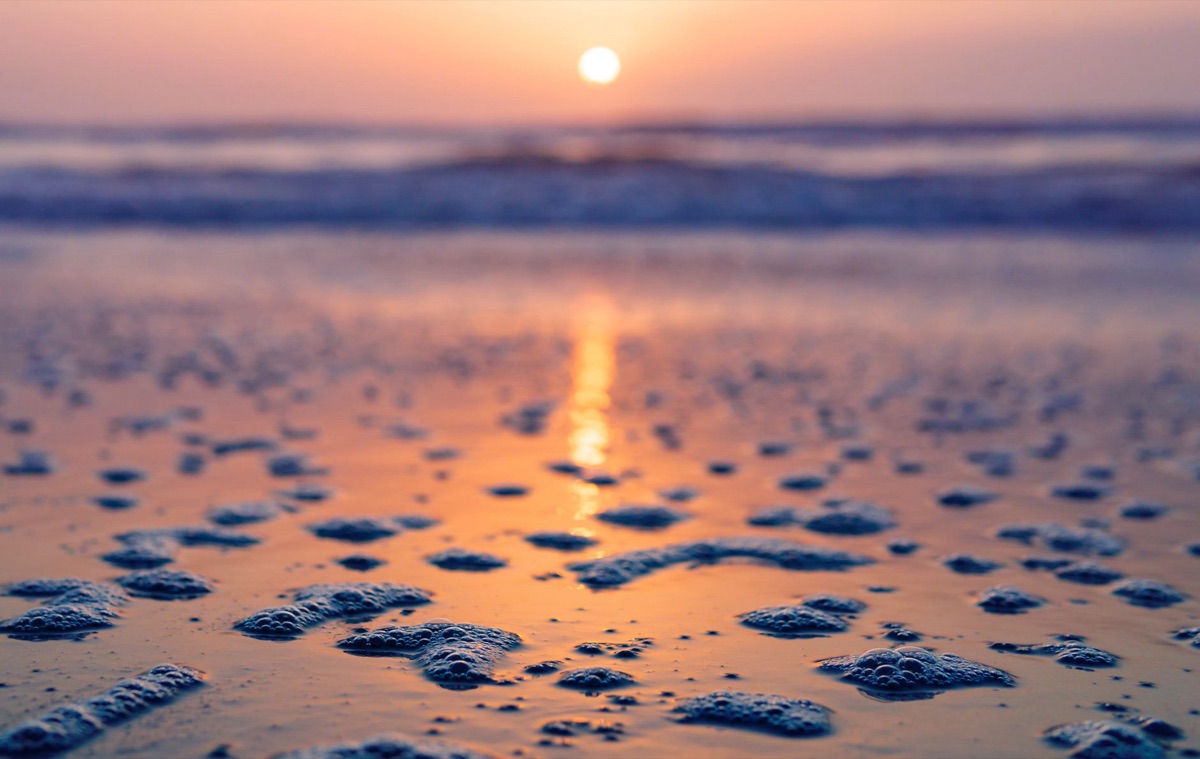
When is the best time to visit Seychelles? I remember standing on a balcony in Victoria in late 2025, watching the heavy clouds roll over the granite peaks of Mahé, wondering if I had picked the wrong month to visit. The air was thick, but the scent of blooming jasmine was overwhelming and beautiful.
The timing of your trip generally falls into three distinct categories: High Season, Low Season, and the elusive Shoulder Season. High season typically runs from April to July and again in October to December, offering the most stable weather and clearest waters for snorkeling.
However, you will face the highest prices and the largest crowds at famous spots like Anse Source d'Argent. In July 2026, for example, travelers might find themselves waiting in line for a simple ferry seat.
Low season usually occurs during the wetter months, often between January and March, where rainfall is more frequent. While the rain can be unpredictable, the islands are at their most vibrant and green.
The shoulder months—the transitions between these periods—are often the "sweet spot." In these months, you might find a perfect balance of manageable weather and moderate pricing, allowing you to enjoy the islands without feeling like you are constantly dodging a downpour or fighting for a sun lounger.
Your choice of season will directly impact your planned activities. If your dream is deep-sea fishing or clear-water snorkeling, the dry/peak months are non-negotiable. If you prefer mountain hiking and photography of lush, tropical landscapes, the wetter months might actually serve you better.
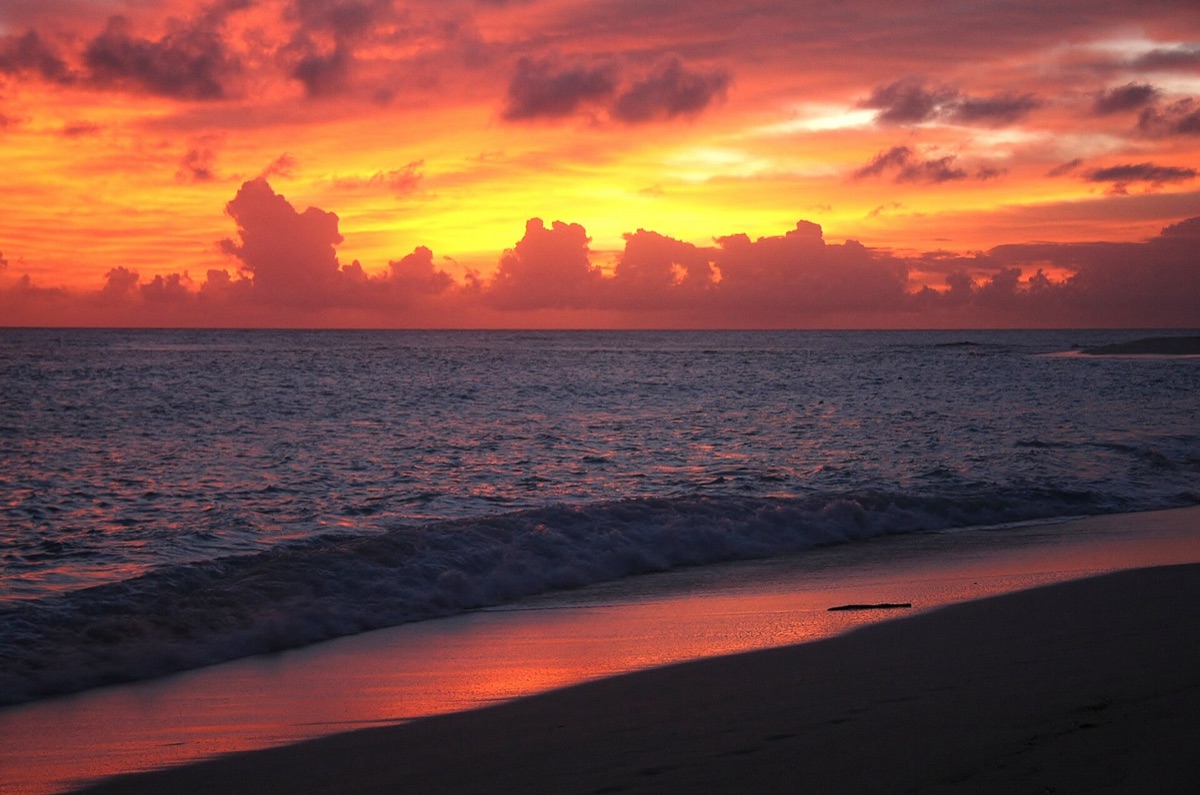
What is the reality of the dry vs. wet season? The sun hit the white sands of Praslin so intensely during my last visit that I had to rethink my entire morning routine to avoid the midday heat. It was a reminder that "dry" does not mean "cold," but rather a shift in how the moisture moves through the air.
The dry season is characterized by more consistent sunshine and lower humidity, making it the optimal time for predictable outdoor activities. In areas like Mahé, temperatures remain warm, but the lack of heavy rain makes travel between islands much smoother.
The winds are generally calmer, which is essential for ferry crossings and boat tours. In the peak of the dry season, you might pay $150 for a private boat charter that would cost $90 in the wet season.
In contrast, the wet season brings higher rainfall variability. While it rarely rains all day, sudden, heavy tropical downpours are common. These rains often leave the islands looking spectacular, with the granite boulders of La Digue appearing sharper against the deep green vegetation.
However, you must be prepared for higher humidity and potentially rougher sea conditions. In a typical wet week, you might experience 3 hours of heavy rain followed by 5 hours of intense sun.
When planning, you must consider the microclimates. The wind patterns in the Seychelles can change based on the monsoon. In some seasons, the southeast trade winds might make certain beaches quite windy, while the north remains calm.
Always have a contingency plan; a sudden afternoon storm should not ruin your day, so always have an indoor cultural activity or a local cafe in mind.
Budgeting Strategically: Aligning Spend with Season
I sat in a small cafe in Beau Vallon, looking at a menu and realizing that the price of a simple seafood platter was nearly double what it had been during my off-season trip two years prior. It was a stark lesson in seasonal economics.
Budgeting for the Seychelles requires a clear understanding of how of much you are willing to pay for weather. During peak season, your budget will be strained most heavily by accommodation and high-end tours.
Luxury resorts often reach full capacity months in advance, and last-minute bookings during these periods can be prohibitively expensive. In July 2026, a luxury suite might cost $800 per night, whereas in February, it might drop to $450.
Traveling during the off-peak/wet season offers significant cost savings. You can often secure deep discounts on high-end villas that would otherwise be out of reach. This is an excellent strategy for travelers who prioritize luxury and are willing to trade perfect sunshine for a lower price tag.
For those seeking a mid-range strategy, the shoulder months are your best friend. You can balance luxury expectations with realistic pricing by booking high-quality accommodations that aren't at peak rates.
Additionally, keep in mind that inter-island travel costs, such as ferries and domestic flights, remain relatively stable, but the availability of certain private boat charters may decrease during the rougher wet season.
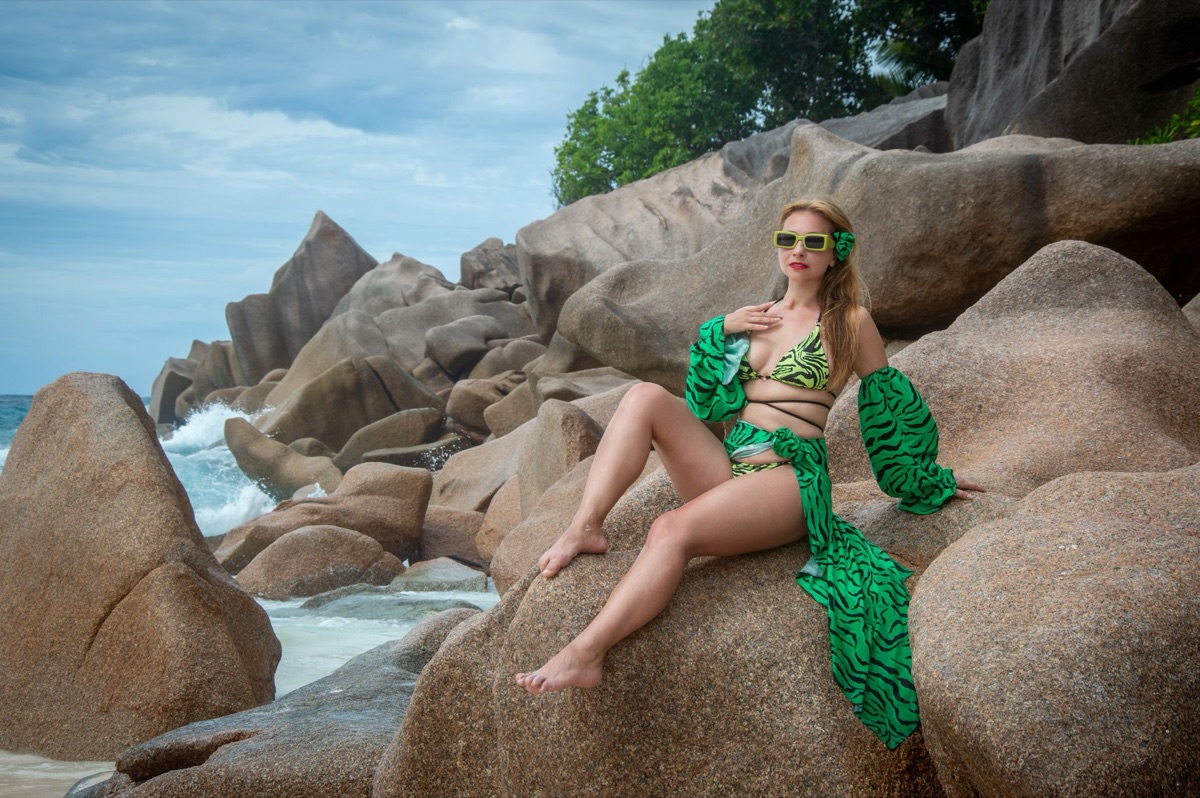
Beyond Weather: Crowds and Crowd Management
Walking through the colorful Victoria Market during a peak month, I noticed how the narrow aisles felt much tighter than during my quieter visits. The energy was high, but the space was limited.
According to The World Factbook of the Central Intelligence Agency, 95.9% of the population aged 15 and over could read and write in the Seychelles as of 2018. According to World Bank data, Seychelles recorded 124,500 international tourist arrivals in 2020.
Crowd density varies wildly. In the high season, popular attractions and famous beaches can feel crowded, which can detract from the sense of tropical isolation many travelers seek.
In contrast, the off-peak season offers a much more private and authentic experience, though you may find some smaller boutique hotels closed for maintenance.
To manage crowds, you should adopt an "islet strategy." Do not try to see everything at once. By dedicating specific blocks of time to different islands, you can spread your presence.
For example, spending more time on the larger Mahé can help you escape the concentrated crowds of the smaller islands.
It is also helpful to look at the broader context of tourism. While numbers fluctuate, understanding that you are part of a global flow helps in planning. In a busy week, you might encounter 20 different tour groups at a single landmark.
To avoid bottlenecks, sequence your activities. If you want to visit a famous beach, aim for the very early morning to avoid the midday rush of tour groups.
Tailoring Your Trip: Mahé, Praslin, La Digue Allocation
Deciding how many days to spend on each island is like solving a puzzle where the pieces are made of sand and palm trees. If you move too fast, you miss the soul of the islands; move too slow, and you might feel restless.
A standard 7-day itinerary often works well with a split like 2 days on Mahé, 2 days on Praslin, and 3 days on La Digue. This allows you to experience the administrative heart, the lushness of Praslin, and the slow-paced charm of La Digue.
For a longer 14-day trip, you can afford to linger longer on each, perhaps adding a few days of pure relaxation or more intensive hiking.
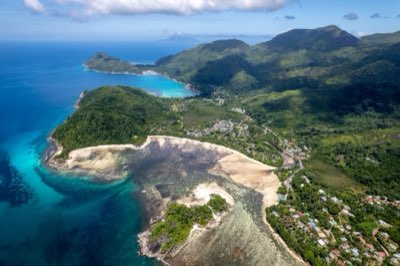
Each island offers a different personality: * Mahé: The largest island, offering easy accessibility, diverse landscapes, and the capital city of Victoria. * Praslin: Famous for its incredible botanical gardens and being the gateway to many beautiful beaches.
* La Digue: The place to go for a slower pace, where bicycles are the primary mode of transport and the granite boulders are legendary.
To prevent burnout, do not overschedule. A successful itinerary should include "buffer days"—days where you have no planned activities other than sitting by the water. For first-timers, a mix of all three is essential.
Return visitors might choose to skip the main hub of Mahé and spend their entire time exploring the outer islands or focusing solely on one specific island to truly settle in.
| Feature | High Season | Low/Wet Season |
|---|---|---|
| Weather | Sunny & Stable | Rainy & Humid |
| Crowds | High | Low |
| Price | Premium | Discounted |
| Best For | Snorkeling/Diving | Lush Scenery/Budget |
| Availability | Difficult to book | Easy to book |
How to Plan Your Island Hopping
If you are organizing your trip for the first time, follow this checklist to ensure you don't miss the best of the archipelago:
- Check the Wind Direction: Before booking a boat charter, verify the current season's wind patterns to ensure your chosen beach won't be too windy for swimming.
- Book Ferries in Advance: During peak months, ferry seats between Mahé and Praslin can sell out days in advance.
- Layer Your Wardrobe: Pack lightweight linen for the heat, but always include a waterproof shell for sudden tropical downpours.
- Diversify Your Accommodations: Mix one high-end luxury stay with two smaller, local boutique guest houses to balance your budget.
- Schedule "Buffer Days": Do not book travel every single day. Leave at least one day per week for pure relaxation to avoid travel fatigue.
Comments 0