Seychelles Gem: Anse aux Jardins Guide for Your Visit
"The granite boulders stand like ancient sentinels against a turquoise sea that seems almost too bright to be real."
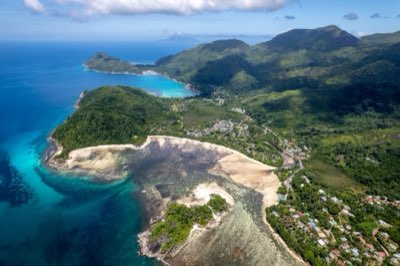
If you are looking for the quintessential Seychelles experience—where massive, sculpted rocks meet crystal-clear waters—Anse aux Jardins is your destination. This beach on Praslin offers a dramatic landscape that requires more than just a swimsuit to truly appreciate.
Key Takeaways: * The visual drama of the beach changes drastically based on tidal shifts and the angle of the sun. * Photography requires a balance of wide-angle lenses for landscapes and macro capabilities for granite textures.
* Respecting the delicate local ecology is non-negotiable for preserving this pristine environment. * Proper timing between tides and seasonal weather is the difference between a crowded stroll and a private paradise.
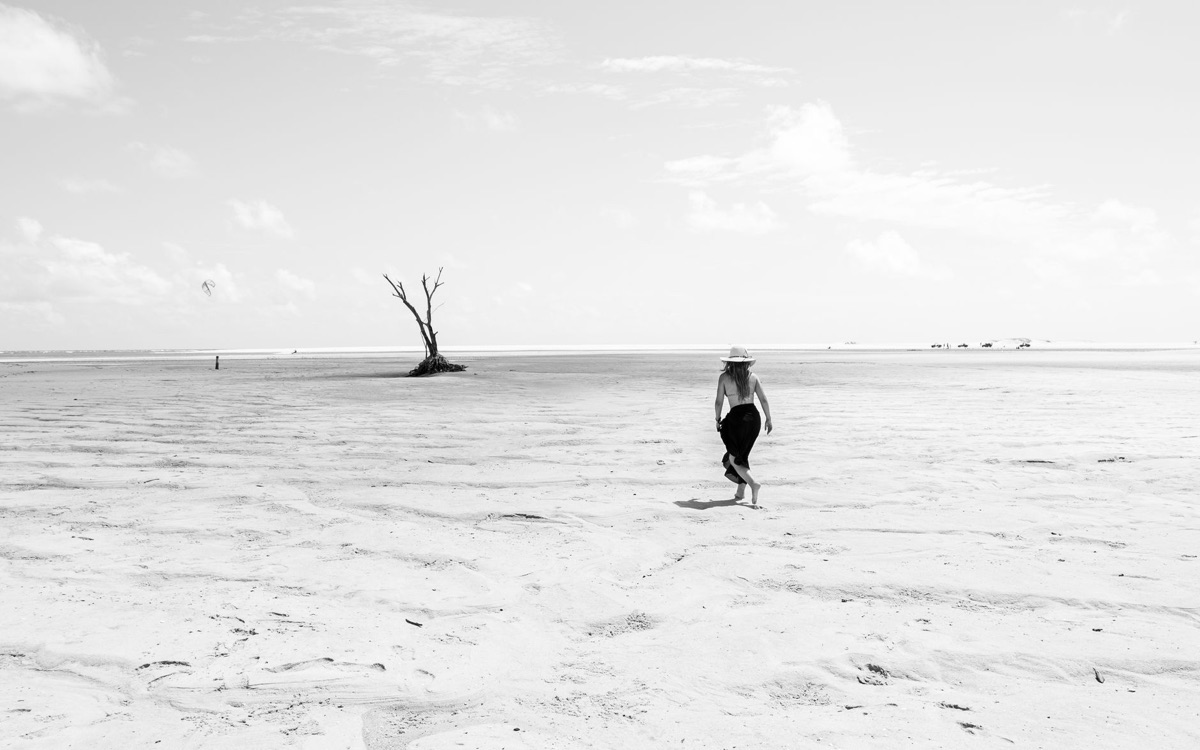
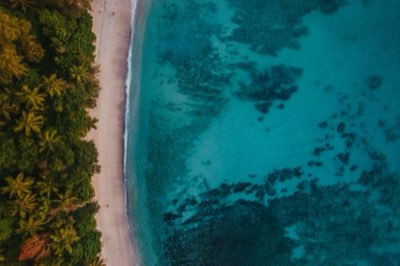
When is the best time to visit Anse aux Jardins? The sun hits the white sand at 10:00 AM, turning the entire cove into a blindingly bright stage. I remember standing on the edge of the granite slabs in July 2025, squinting against the glare, realizing that the water's color was entirely dependent on how the light hit the shallow reef.
The tidal cycle is the most important factor when planning your visit. At low tide, the expansive reef flats are exposed, revealing intricate tide pools and walking paths between the boulders that are often submerged.
This is the best time for exploring the shoreline, but visibility for snorkeling may decrease as the water becomes shallower and more turbulent.
At high tide, the water reaches the base of the granite, creating that classic, deep-blue look that makes the beach look like a postcard, though some of the rocky access points may be harder to navigate.
Lighting conditions also dictate the mood of the beach. The "Golden Hours"—just after sunrise and just before sunset—are when the quartz-based sands and the dark, weathered granite take on a warm, honey-colored glow.
Because the Seychelles is located in the South Indian Ocean, the sun's transition can be quite rapid. During the dry season, the skies are generally clearer, offering more predictable light for photography.
In the wetter months, you might encounter sudden tropical squalls that bring dramatic, moody clouds, which can result in stunningly atmospheric shots if you can time them right.
If you want to avoid the crowds, aim for the early morning. Most visitors arrive mid-morning after breakfast at their resorts, so arriving by 7:30 AM allows you to have the shoreline almost entirely to yourself.
But how do you actually capture this beauty without looking like a tourist in a catalog?
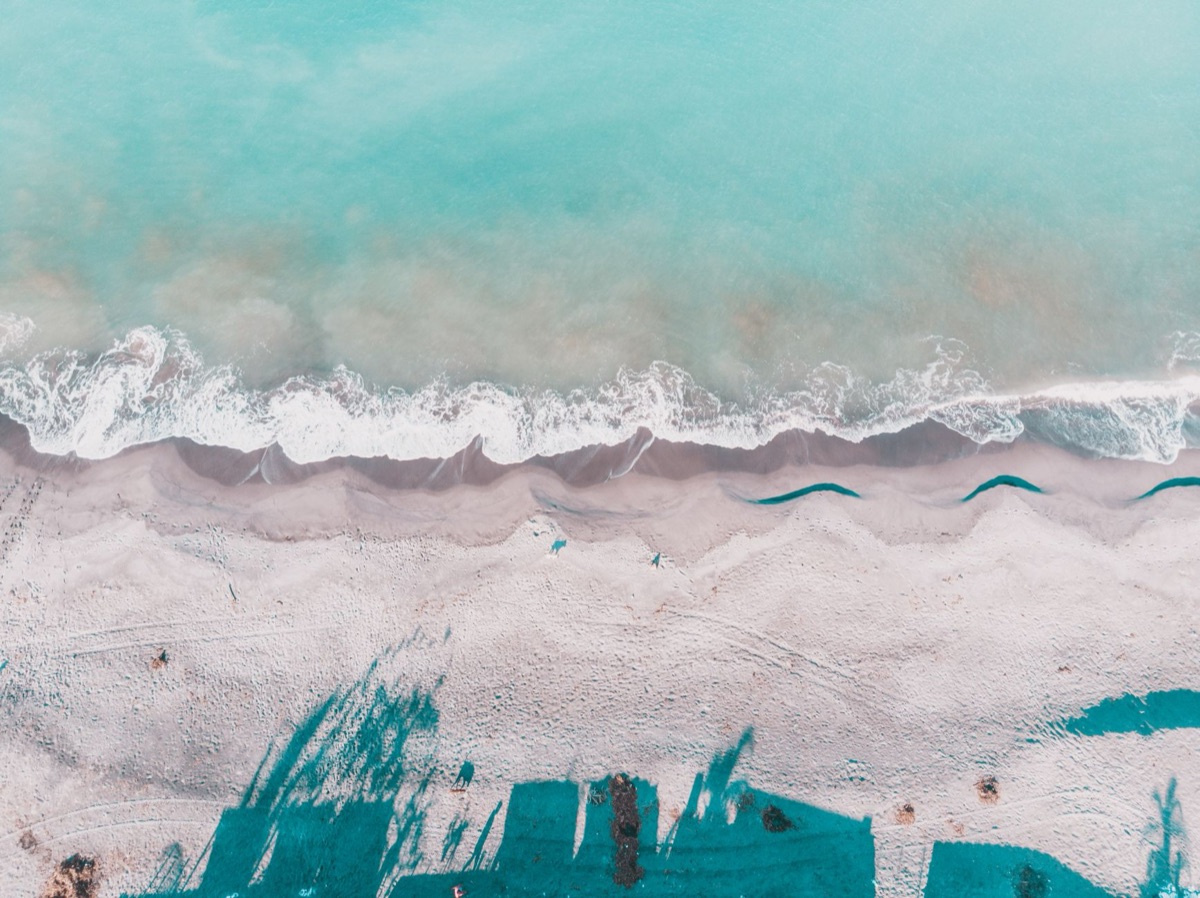
How can I master photography at Anse aux Jardins? I sat on a sun-warmed rock in early 2026, adjusting my tripod, trying to figure out how to capture both the vastness of the horizon and the tiny, intricate cracks in the stone. It felt like trying to bottle lightning.
To capture the essence of Anse aux Jardins, you must focus on the contrast between the organic, smooth curves of the granite and the sharp, crystalline clarity of the water. For wide-angle shots that encompass the sweeping coastline and the massive boulders, a 16-35mm lens is your best friend.
This allows you to include the foreground elements—like a single textured rock—to provide a sense of scale against the vast ocean. For detail shots, a medium telephoto lens can help isolate specific textures or capture the way the light hits the ripples in the water.
If you are looking to capture marine life, timing is everything. While you aren't "hunting" for animals, certain movements in the water are more predictable during specific tidal shifts.
Keep an eye on the reef edges during the transition from low to mid-tide, as this is often when small fish and crustaceans are most active in the shallows.
When you return to your room to review your shots, remember that the natural colors of the Seychelles are unique. The granite has specific mineral tones—greys, pinks, and deep ochres—and the water has a specific turquoise hue.
When post-processing, try to stay true to these natural colors rather than over-saturating them; the goal is to replicate the actual sensory experience of being there.
However, photography is only one way to experience the coast; there is a much deeper layer to the environment that most visitors overlook.
Beyond the Beach: Deepening Your Experience at Anse aux Jardins
The sound of a tropical bird cutting through the rhythmic wash of the waves reminds you that you are in a living, breathing ecosystem. I spent an hour just watching a small bird navigate the palm fronds in 2025, realizing that the beach is just one part of a much larger biological puzzle.
The local ecology is the true soul of the beach. The Seychelles is home to various endemic species, and the vegetation surrounding the beach plays a vital role in preventing erosion. When you visit, you are walking through a delicate balance of flora and fauna.
It is essential to stay on designated paths where possible and avoid stepping on sensitive coastal plants that help stabilize the sand.
Culturally, the Seychelles is a melting pot of Creole influences. While Anse aux Jardins is a natural site rather than a cultural museum, you can often see the local way of life reflected in the way people interact with the sea.
To deepen your experience, consider pairing a beach visit with a hike through the nearby coconut plantations or trekking through the lush greenery of Praslin. This transition from the salt air to the forest canopy provides a complete sense of the island's geography.
Safety must always be a priority. The ocean can be unpredictable, and even on a calm day, sudden swells can catch you off guard near the rocks. Always check the local conditions before entering the water, and never swim alone in areas where the current seems to pull toward the reef.
But how do you actually organize a trip to such a remote paradise?
Practical Logistics: Planning Your Visit
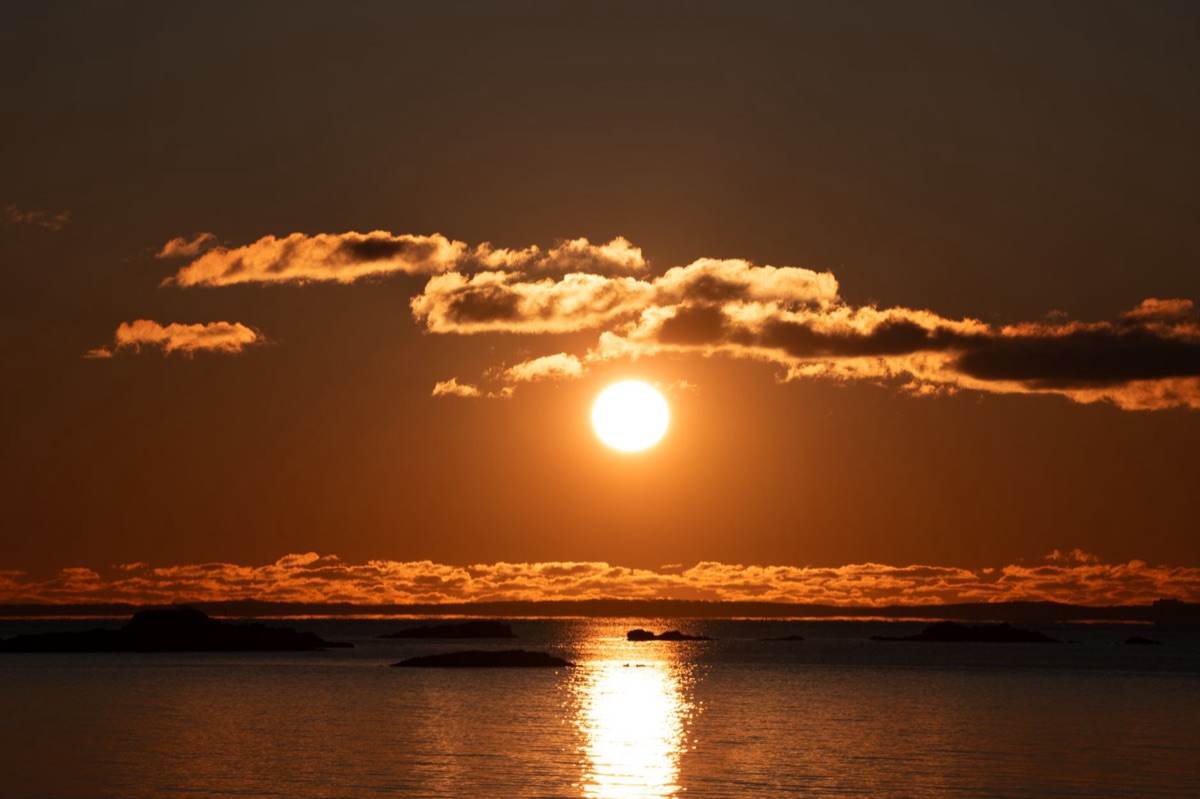
The ferry hums beneath my feet as we approach the pier, the salt spray hitting my face. I check my bag one last time—sunscreen, water, and extra memory cards—knowing that once we land, the real adventure begins.
Getting to Anse aux Jardins requires a bit of planning, as it is located on the island of Praslin. Depending on where you are staying—whether it is on Mahé or another island—you will need to take a domestic flight or a ferry to reach Praslin first.
From the main ports, you will likely need to arrange a taxi or a local shuttle to reach the beach area.
| Item | Purpose | Tip |
|---|---|---|
| Sturdy Sandals/Water Shoes | Navigation | Essential for walking on uneven, sharp granite. |
| High-SPF Sunscreen | Protection | The equatorial sun is much stronger than it feels. |
| Waterproof Dry Bag | Gear Protection | Protects your camera and phone from salt spray. |
| Reusable Water Bottle | Hydration | Stay hydrated in the tropical humidity. |
Because the terrain can be uneven, especially when moving between the large boulders, I highly recommend wearing sturdy water shoes or sandals with good grip. Flip-flops can be slippery on wet granite.
Environmental responsibility is the most important part of your logistics. The Seychelles operates on strict "Leave No Trace" principles. This means you must take everything you bring back with you—including organic waste like fruit peels—to prevent disrupting the local insect and bird populations.
If the weather turns bad, do not force the visit. If a heavy rain or high wind makes the beach inaccessible or dangerous, use that time to explore the inland botanical gardens or local markets instead. A little flexibility goes a long way in tropical travel.
To make the most of your day, follow this simple checklist:
- Check the tide charts for the specific day of your visit to determine if you want low-tide exploration or high-tide views.
- Pack a waterproof bag containing your electronics and a high-SPF sunscreen.
- Arrive at the beach by 7:30 AM to secure the best light and avoid the midday heat.
- Wear water shoes to navigate the sharp, uneven granite surfaces safely.
- Carry all waste back to your transport to maintain the pristine environment.
While these steps help, there are certain situations where the beach might not be the right choice.
When Should You Skip the Beach?
The wind picks up suddenly, whipping fine sand against my skin and making the granite surfaces slick and dangerous. In moments like this, the beauty of the coastline feels secondary to the power of the elements.
It is important to recognize that Anse auxveris is a natural environment, not a manicured resort.
If you are traveling with very young children or elderly family members who have limited mobility, the uneven terrain and the risk of slippery rocks may make this specific location difficult to navigate.
Additionally, during the peak of the rainy season, the suddenness of tropical storms can make the coastal paths treacherous. In such cases, the risk of slipping on wet granite or being caught by a sudden swell outweighs the photographic reward.
Always prioritize safety over the perfect shot. If the conditions look unpredictable, it is better to spend your day exploring the inland forests of Praslin.


Comments 0