La Digue Hiking: Granite Paths Reveal Seychelles' True Soul
"The true soul of the Seychelles isn't found on a luxury pier, but on the dusty, granite-fringed paths where the jungle meets the sea."
If you are planning a trip to the Seychelles in 2026, you might find yourself torn between the grand scale of Mahé and the intimate charm of La Digue.
While Mahé offers dramatic mountain climbs, La Digue provides a gentle, slow-motion immersion into a prehistoric landscape of giant boulders and lush greenery.
Key Takeaways * La Digue offers low-impact trekking through unique granite landscapes that feel worlds away from modern life. * The best way to experience the island is through a sequenced itinerary, often following a Mahé → Praslin → La Digue route.
* Success on the trails requires balancing cycling with walking to respect both your energy and the fragile local ecology.
Why Choose La Digue for Hiking vs. Mahé?
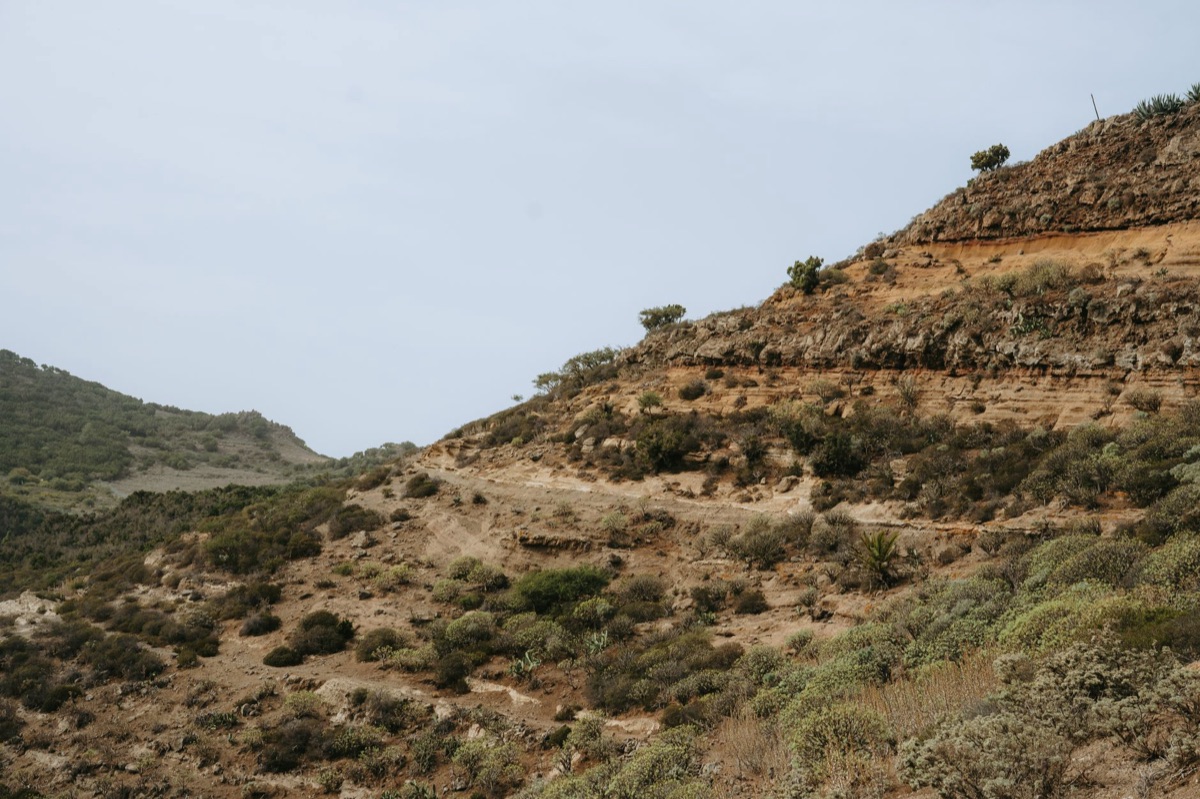
The morning sun hits the massive granite boulders of La Digue, casting long, dramatic shadows across the narrow dirt paths. You can hear the distant rhythm of the Indian Ocean, but here, the air feels stiller, heavier with the scent of tropical flora than the breezy heights of Mahé.
While Mahé is a large, mountainous island located in the Somali Sea segment of the Indian Ocean, northeast of Madagascar, it offers a rugged, volcanic intensity that can be physically demanding.
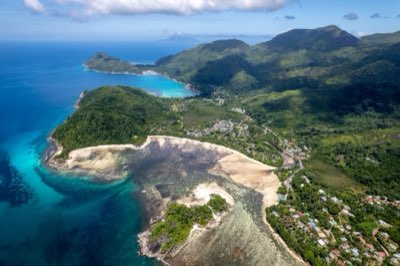
In contrast, La Digue acts as the ecological heart of the archipelago, offering a much more intimate connection to nature. Because the island is significantly smaller, the transition from jungle to beach happens in minutes rather than hours.
Most travelers follow a specific sequence to make sense of the geography, often moving from the bustling capital of Mahé to the lushness of Praslin, and finally arriving at the quietude of La Digue.
This progression allows you to transition from high-energy exploration to deep, restorative immersion.
The granite formations here are not just scenery; they are the very bones of the island, creating natural corridors for walking that you won't find in the steeper, more vertical terrain of the larger islands.
But how do you actually navigate these paths without getting lost or exhausted?

How do I navigate the trails? You stand at a fork in a narrow path, your bicycle leaning against a weathered coconut tree. To the left, the trail disappears into a dense canopy of palms; to the right, a glimpse of turquoise water peeking through the ferns suggests a hidden cove.
Hiking on La Digue is less about conquering peaks and more about discovering hidden corners. Many of the most rewarding routes are low-impact paths that lead to secluded beaches or elevated viewpoints overlooking the coastline.
For a half-day immersion, you can easily navigate the trails surrounding the main settlements, but a full-day trek allows you to reach the more remote, undeveloped parts of the island.
Timing is everything when planning your walks. You should always check the local tide schedules before setting out on a coastal trail; some paths are only accessible when the tide is low, and certain beach access points can become cut off by rising waters.
While many visitors rent bicycles to get around the island quickly, the best way to see the "secret" spots is to cycle to a trailhead and then transition to walking. This hybrid approach allows you to cover ground efficiently while still being able to step off the path to explore the unique geology.
However, the real magic isn't just in the terrain, but in the life that moves through it.
What will I see in the Seychelles ecology? A giant tortoise moves with surprising grace through the undergrowth, its shell a mottled pattern of earth tones that blends perfectly with the fallen leaves. You hold your breath, stepping carefully to the side to give the ancient creature a wide berth as it continues its slow, deliberate journey.
The ecology of La Digue is a living museum. You are likely to encounter endemic species that exist nowhere else on Earth, such as the legendary Aldabra Giant Tortoises in certain managed areas.
The birdlife is equally diverse, with various species of sunbirds and kingfishers darting through the canopy.
Beyond the wildlife, the intersection of Creole culture and the natural environment is palpable; the local way of life has always been dictated by the rhythm of the sea and the health of the land.
When engaging in wildlife viewing, strict protocols are essential. Maintaining a respectful distance and keeping noise levels low is not just polite—it is necessary for the survival of sensitive species. It is also vital to respect the local conservation rules regarding protected areas.
Because the local population is small and deeply connected to these lands, following the guidance of local authorities ensures that these ecosystems remain intact for future generations.
But what happens when you move from the land to the water?
Beyond Hiking: Integrating Eco-Activities
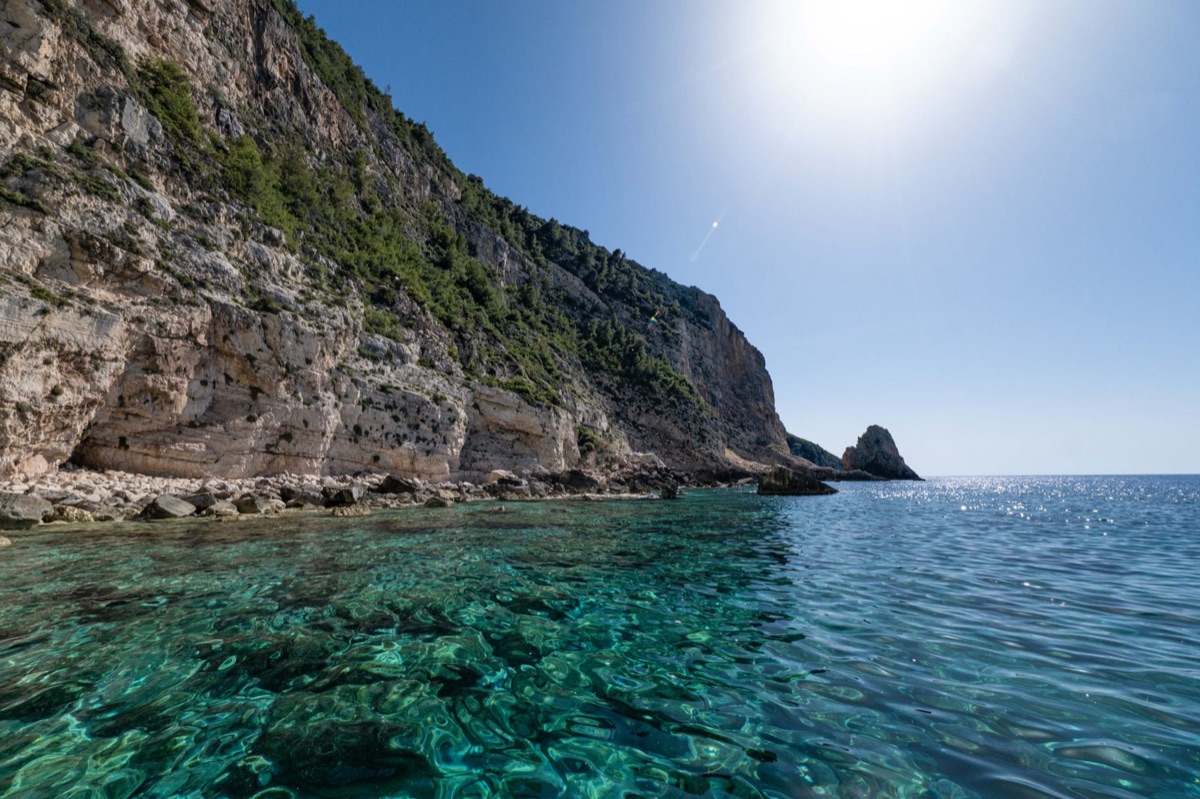
The salt spray hits your face as you paddle a kayak through a quiet lagoon, the water so clear you can see the ripples in the sand far below. It is a different kind of movement than walking, a rhythmic glide that lets you enter the ecosystem from a completely different perspective.
To get the most out of your time, you should integrate walking with other low-impact activities. Cycling is the primary mode of transport on La Digue, and it serves as a perfect way to reach various trailhead locations.
For those looking for more adventure, guided kayaking tours allow you to explore the coastline and mangrove areas that are inaccessible by foot.
A multi-modal approach—using a mix of bikes, boats, and boots—is the most efficient way to experience the island's diversity. You can easily find local guides who specialize in these activities, offering a level of insight that a solo traveler might miss.
Linking your trekking with water-based activities ensures you see both the heights of the granite hills and the beauty of the marine environments.
Before you set off, you need a solid plan to keep your journey smooth.
Planning Your Visit: Logistics & Sustainability
You sit on a wooden bench at a local cafe, checking the weather forecast on your phone while sipping a fresh fruit juice. The humidity is high, but a light breeze promises a cooler afternoon, making it the perfect time to head out on the trail.
According to the Central Intelligence Agency, 95.9% of the population aged 15 and over can read and write in the Seychelles as of 2018. According to the World Bank, Seychelles recorded a share of internet users of 87.8% in 2024.
When I was planning my own route through the islands in 2025, I found that having these digital tools was helpful, but nothing replaced the physical maps and local advice.
The best time to visit for trekking is during the transition between seasons when the weather is relatively stable. You must factor in the travel time between the three main islands—Mahé, Praslin, and La Digue—as these transfers require ferries or small planes.
Packing is also critical; even on a "gentle" island, you need sturdy walking shoes, sun protection, and plenty of water.
Because the Seychelles is a fragile ecosystem, low-impact travel is a necessity rather than a choice. The impact of tourism on these islands is managed through careful regulation, and as a visitor, your goal should be to leave no trace.
By choosing walking and cycling over motorized transport, you contribute to the preservation of the very beauty you came to see.
| Activity Type | Effort Level | Best For |
|---|---|---|
| Coastal Walking | Low to Moderate | Secluded beaches & photography |
| Jungle Trekking | Moderate | Birdwatching & shade |
| Cycling | Low | Efficient transit between spots |
| Kayaking | Moderate | Exploring mangroves & lagoons |
Step-by-Step: Preparing for a La Digue Trek
- Rent a bicycle first: Secure a reliable bike in the morning to reach your starting point.
- Check the tide: Verify if your intended beach or coastal path is accessible at your planned arrival time.
- Hydrate and pack light: Carry enough water for at least three hours of walking and use a small daypack.
- Transition to foot: Once you reach a trailhead or a scenic area, park your bike safely and begin your walk.
- Respect the wildlife: Keep a distance of at least several meters from any animals you encounter.
A Note on Limitations
It is important to recognize that while La Digue is accessible, it is not a playground for extreme mountaineering. The trails are often humid, and the heat can be intense during midday. If you have mobility issues, some of the more rugged granite paths may be difficult to navigate.
Always prioritize your physical limits over the desire to reach a specific viewpoint.
#




Comments 0