Explore Seychelles: Granite Shores & Island Hopping Strategy
"The granite sentinels of the Indian Ocean stand as timeless guardians of the shore."
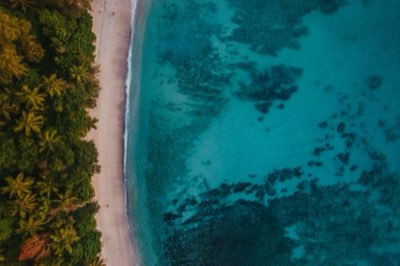
If you are dreaming of a tropical paradise but want something more substantial than just flat sand and palm trees, the Seychelles offers a prehistoric, sculptural beauty that feels worlds away from a standard resort strip.
By understanding the unique geography of these islands, you can plan an itinerary that balances rugged exploration with pure relaxation.
Key Takeaways * Granite beaches provide a dramatic, sculptural contrast to white sand, requiring careful planning for access and photography. * A successful itinerary requires a strategic split between Mahé, Praslin, and La Digue to experience different geological moods.
* Prioritizing ecological responsibility and seasonal safety is essential when navigating rocky coastlines and tidal shifts.
Why Granite Rocks? Understanding the Seychelles Geological Canvas
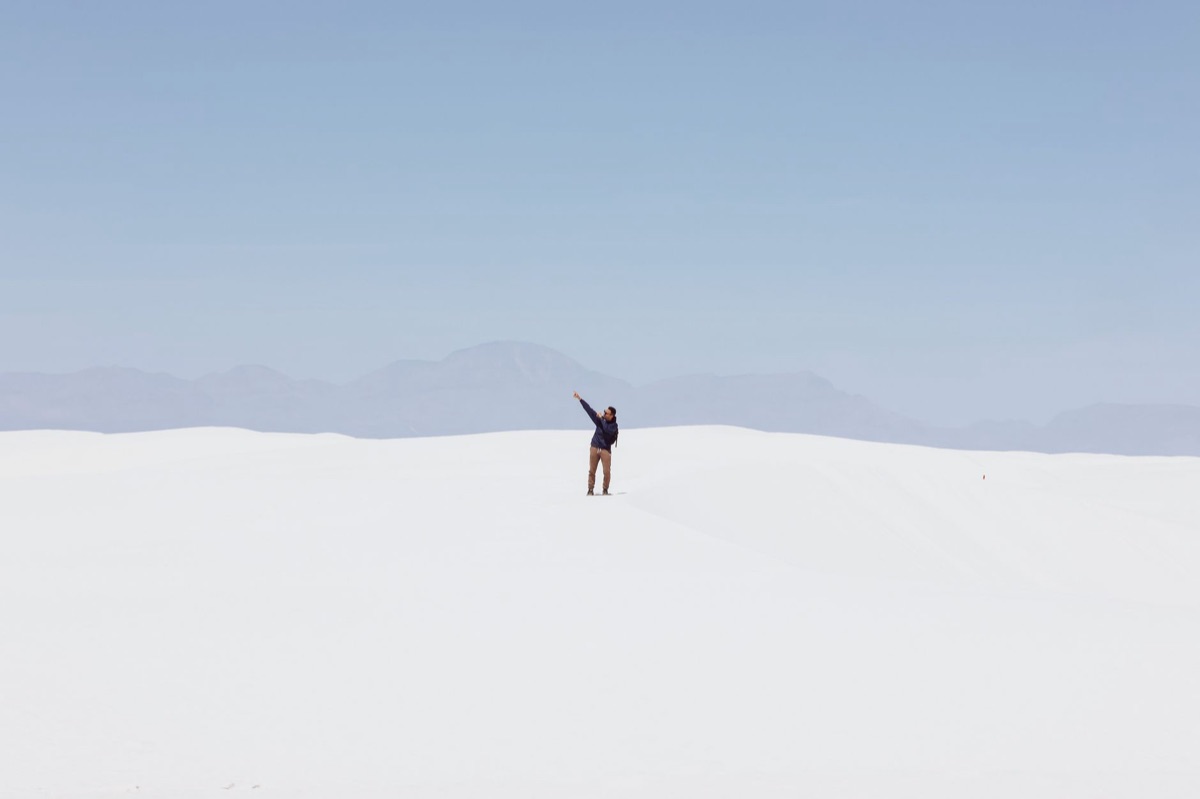
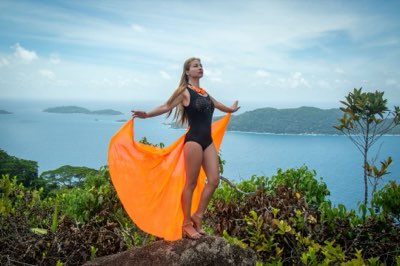
The sun hit the massive, smooth curves of the Anse Source d'Argent boulders at noon, turning the grey stone into a warm, golden monument against the turquoise water. Walking along the shoreline, you realize these aren't just rocks; they are the very bones of the islands.
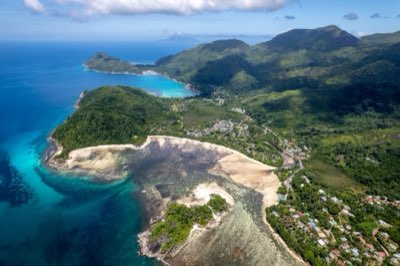
The Seychelles is an archipelago located in the Somali Sea segment of the Indian Ocean, northeast of Madagascar and about 1,600 km (860 nmi) east of Kenya. Unlike many volcanic islands, much of the Seychelles is composed of ancient granitic rock.
This geological makeup defines the entire coastal experience, creating natural amphitheatres and secluded coves that are impossible to find in the Maldives. While many tropical destinations offer endless stretches of powdery white sand, the Seychelles provides a rugged, textured coastline.
These granite formations serve as a natural barrier, creating calm lagoons on one side and dramatic, crashing surf on the other.
This diversity supports a unique level of biodiversity, as the crevices in the rocks provide habitats for specialized marine life and coastal flora. The physical environment is shaped by significant natural forces.
For instance, temperatures on Mahé vary from 24 to 30 °C (75 to 86 °F), and rainfall can reach up to 2,900 mm (114 in) annually.
These conditions, combined with the hard granite base, ensure that the landscape remains stable yet ever-changing through erosion and tidal shifts. But how do you actually divide your time between these massive stone sentinels?
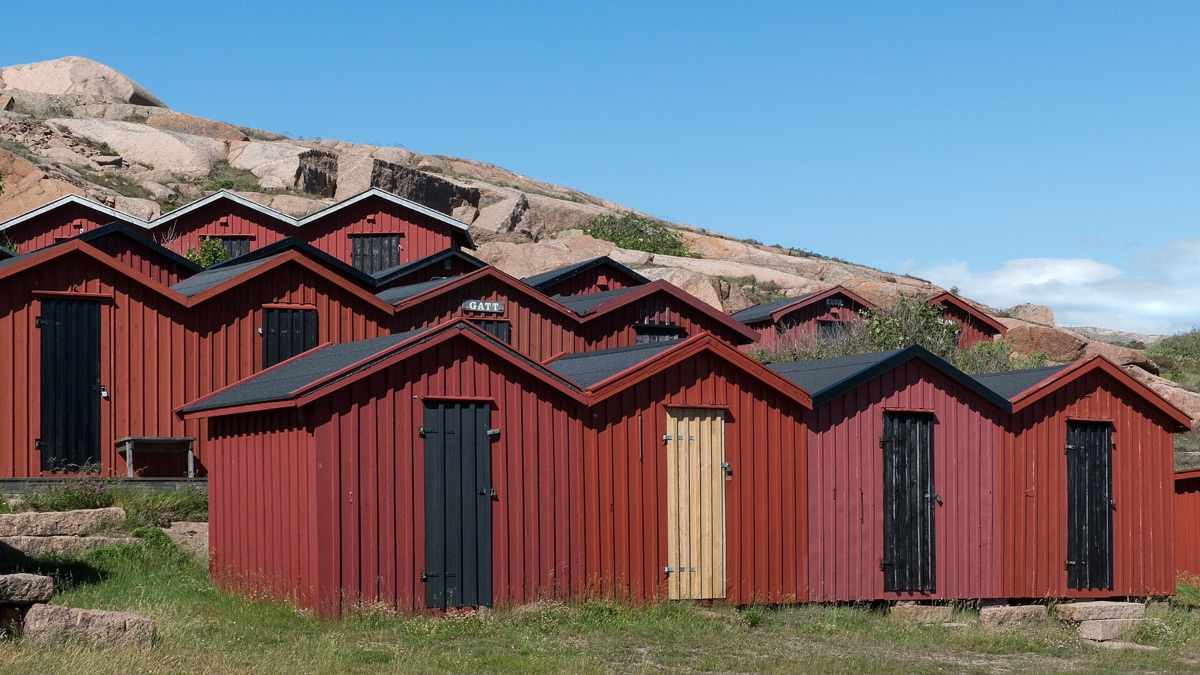
How should I split my time between the islands? I sat on a ferry deck in late 2025, watching the silhouette of Mahé fade into the mist as we headed toward Praslin, wondering if we had allocated enough days to each piece of paradise. The question of how to split your time is the most common dilemma for travelers arriving in the archipelago.
The "3-Island Split" is the gold standard for a comprehensive first-time visit. A typical successful itinerary might look like this:
- Mahé (2-3 Days): The largest island, serving as the hub for arrivals and diverse landscapes.
- Praslin (2-3 Days): Home to the famous Vallée de Mai and excellent access to outer islands.
- La Digue (3-4 Days): The heart of the granite experience, where life slows down and the most iconic beaches reside.
For those seeking a more relaxed pace, you might spend more time on the smaller islands to truly soak in the atmosphere. In terms of logistics, inter-island travel is typically handled via catamarans (ferries) or small domestic flights.
While ferries are more cost-effective and allow you to see the coastline, private transfers or flights are faster for those on a tighter schedule.
The order of your trip should generally move from the largest, most active hub (Mahé) toward the quieter, more specialized islands (La Digue) to build a sense of gradual immersion. However, once you arrive at the shore, the terrain presents its own set of challenges.
How do I access the beaches and follow the rules? The tide was receding, revealing a labyrinth of smooth, salt-crusted stone paths that led directly into a hidden pool of crystal-clear water. Navigating these beaches requires more than just a swimsuit; it requires an understanding of the terrain.
Access to the most famous granite formations, such as those at Anse Source d'Argent, is generally easy through established paths, but more remote coves may require light hiking. It is vital to check local tide tables before heading out.
Some of the most beautiful rock formations are only accessible during low tide, while certain coastal paths can become dangerous or submerged during high tide.
Ecological responsibility is non-negotiable. The granite cracks are home to delicate organisms and provide nesting areas for birds. Visitors must adhere to strict rules: do not touch or climb on sensitive coral-encrusted rocks, and never disturb the giant tortoises or local bird populations.
In the Seychelles, you are a guest in a highly protected ecosystem.
Safety is another critical factor. The seasonal ocean conditions can change rapidly. In certain months, the swells can be heavy against the granite walls, making entries into the water treacherous.
Always observe local signage and be mindful of the strength of the currents in the gaps between the rocks. But what happens when you step off the sand and into the local rhythm?
Beyond the Beach: Integrating Local Life & Culture
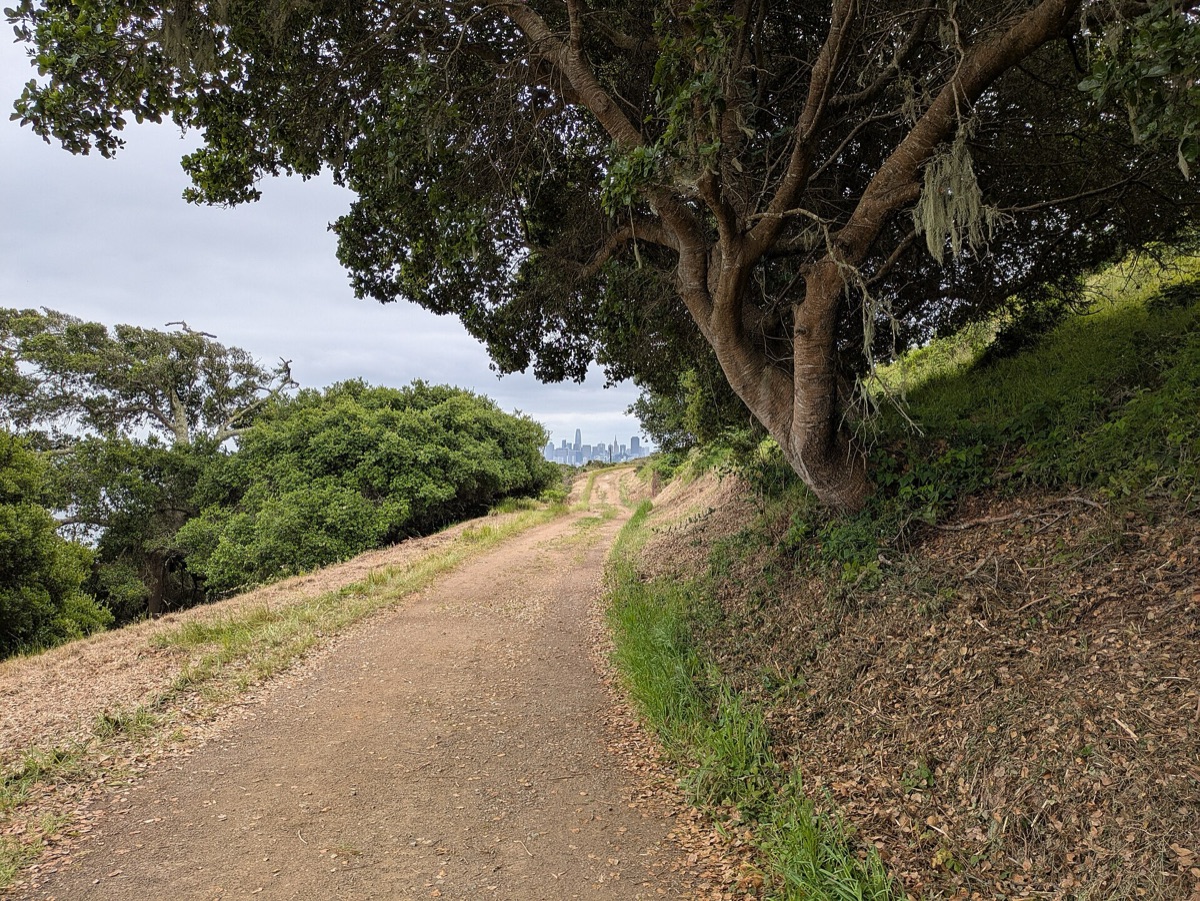
The smell of spicy Creole curry wafted through the air at the Victoria Market, mixing with the salty breeze from the nearby harbor. To truly understand the islands, you must move beyond the shoreline and into the heart of the community.
According to the Central Intelligence Agency, as of 2018, 95.9% of the population aged 15 and over can read and write in the Seychelles. A perfect day in the Seychelles often involves pairing a morning of beach exploration with an afternoon of cultural immersion.
In Mahé, visiting the Victoria Market offers a sensory explosion of local spices, fresh produce, and handmade crafts. In contrast, spending time on La Digue allows for a slower pace, often involving cycling between granite-fringed beaches.
The contrast between luxury resorts and local guesthouses is stark but rewarding. High-end resorts often provide secluded, private access to the best granite views, while staying in a local guesthouse offers a more authentic connection to the Creole culture.
For a balanced trip, many travelers choose a mix of both: luxury for the honeymoon highlights and guesthouses for authentic local flavor.
| Feature | Luxury Resort Experience | Local Guesthouse Experience |
|---|---|---|
| Privacy | High; often private beach access | Moderate; shared communal spaces |
| Cost | High premium for exclusivity | Budget-friendly and authentic |
| Atmosphere | Curated relaxation and pampering | Community-focused and social |
| Best For | Honeymooners and luxury seekers | Explorers and long-term travelers |
While the culture is rich, the logistical decisions can still feel overwhelming.
Essential Visitor Logistics and Decision Making
I looked at my budget spreadsheet in early 2026, weighing the cost of a private villa against the desire to spend more days exploring the outer islands. Making the right choice meant deciding what kind of traveler I actually was.
According to World Bank data, Seychelles recorded international tourist arrivals of 124,500 in 2020. Deciding between the Seychelles and other destinations like the Maldives often comes down to the desire for variety.
While the Maldives offers unparalleled overwater luxury, the Seychelles provides a more diverse geological and terrestrial experience. If you want deep nature immersion and hiking alongside beach lounging, the Seychelles is the superior choice.
Your budget will largely depend on your accommodation choices. In 2018, the Seychelles had 2,479 hotel rooms with 5,010 beds, reflecting a mix of high-capacity and boutique options.
When budgeting, consider that while the islands are beautiful, the cost of living and dining can be higher than in many other tropical destinations due to the necessity of importing many goods.
Traveler Profile Match: 1. The Luxury Relaxer: Prioritizes high-end resorts on Mahé or Praslin with direct, private access to the sea. 2. The Nature Explorer: Prioritizes La Digue and trekking through granite landscapes and forests. 3.
The Cultural Traveler: Prioritizes staying in local areas, visiting markets, and experiencing Creole cuisine.
It is important to note that while the islands offer incredible variety, they are not for everyone. Those seeking massive shopping malls, high-speed highways, or ultra-low-cost budget travel may find the Seychelles frustrating. The geography dictates a slower, more intentional pace of life.
Comments 0