Coco de Mer: 5 Rules for Seychelles Eco-Immersion Visits
"Nature does not need us, but we desperately need to respect its rules."
To see the legendary Coco de Mer, you must travel to the Vallée de Mai on Praslin Island, where these giant nuts grow in their natural habitat. To protect this fragile ecosystem, you must stay on marked trails, avoid touching the fruit, and respect the strict park regulations.
* Location: Visit the Vallée de Mai on Praslin Island. * Timing: Aim for morning visits to catch the best light and lower humidity. * Ethics: Never touch or move the nuts; stay on designated paths. * Gear: Wear sturdy trekking shoes and bring plenty of water.
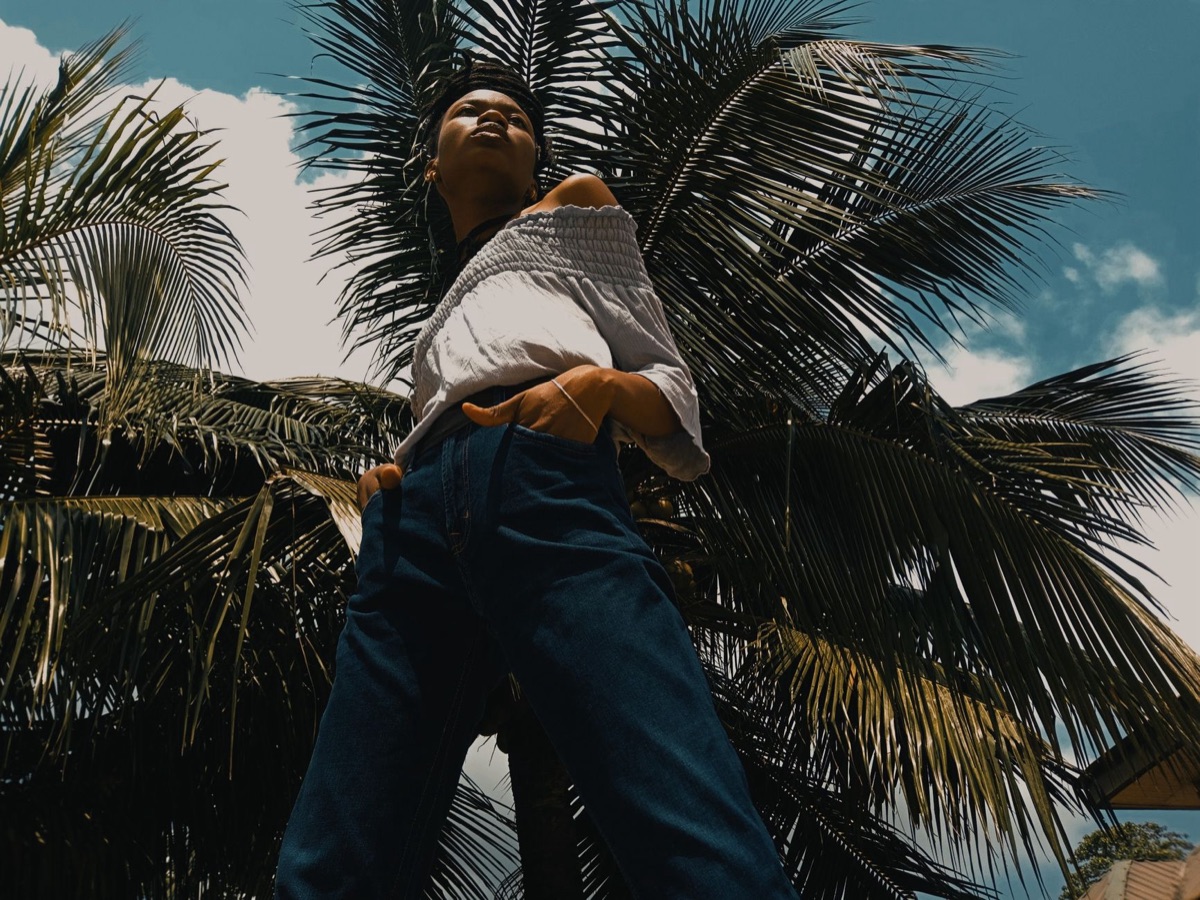
Why do travelers seek out the Coco de Mer?
In the early morning of a humid May morning in 2025, I felt the sweat trickling down my forehead as I navigated the winding forest paths of Praslin. Sunlight filtered through the dense canopy in fragmented beams, creating a dreamlike haze in the heavy, tropical air.
Some travelers come for the sheer eccentricity of the giant nuts, while others make the long journey to witness one of the most unique botanical legacies on Earth.
According to The World Factbook of the Central Intelligence Agency, as of 2018, 95.9% of the population aged 15 and over in the Seychelles can read and write.
The Coco de Mer is an endangered species endemic to the islands of Praslin and La Digue. It is not merely a palm tree with a strange shape; it is a symbol of the Seychelles' unique ecological identity.
These massive seeds rely on specific environmental conditions and biological interactions to survive, having adapted over millennia to the specific soil and climate of these islands.
For those visiting, the Coco de Mer is more than a tourist attraction. It is living evidence of evolutionary history—a mystery of nature that should remain untouched by human hands. Maintaining this mystery requires a specific mindset from every observer.
But understanding the history is only the beginning; you must also understand the terrain.
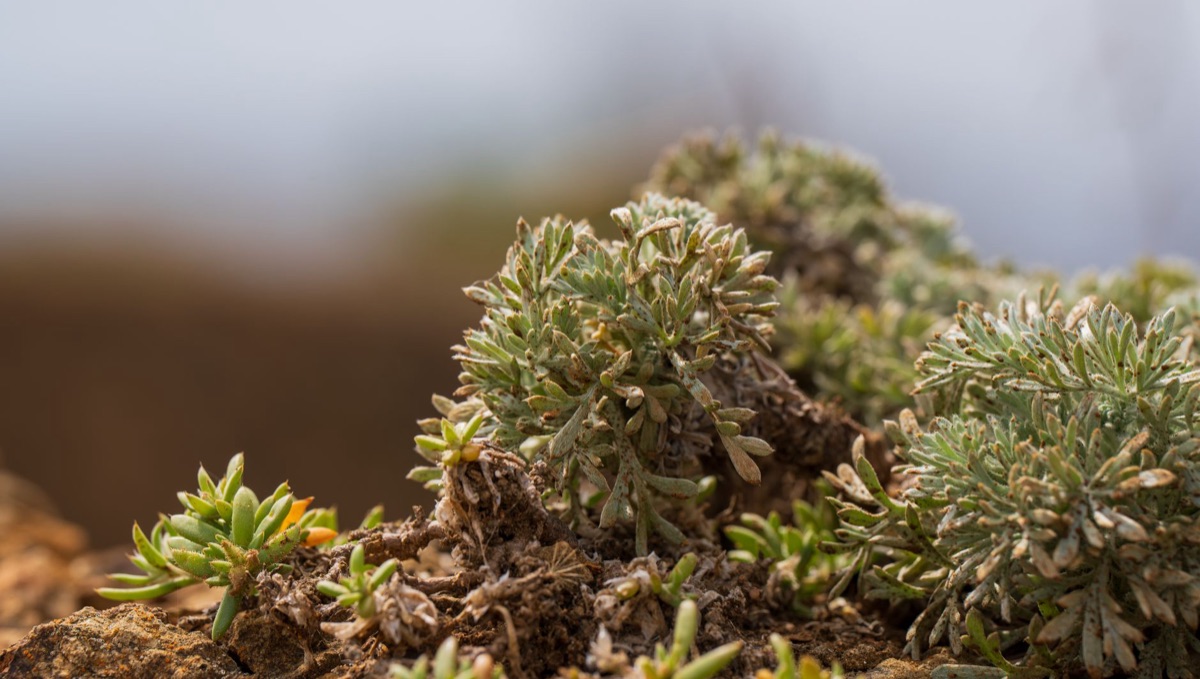
What wonders await me in the Vallée de Mai? Walking into the entrance of the Vallée de Mai in the summer of 2025, the air felt incredibly heavy and thick. The lush forest greeted me with well-maintained trails, and as I stepped past the ticket booth, a spectacle of giant flora began to unfold, far surpassing any typical woodland.
The best way to observe the Coco de Mer is within this national park. The terrain, characterized by massive granite boulders and towering palms, provides the perfect environment for these plants to thrive.
In this space, where humidity, temperature, and soil nutrients exist in a delicate balance, the Coco de Mer reveals its true majesty.
When entering the forest, you must stay on the designated walking paths. The roots and young sprouts of the Coco de Mer are extremely sensitive, and wandering off-path can threaten their survival.
Learning to appreciate the wonder of nature without disrupting its silence is the true beginning of an ecological experience.
However, seeing it is one thing; knowing how to behave in such a delicate space is another.
How can you observe the Coco de Mer properly?
As I walked the forest path, the sensation of damp air against my skin served as a constant reminder of the living, breathing jungle around me. Standing beneath the massive leaves of a Coco de Mer palm, you realize just how small a human being truly is.
To properly appreciate this overwhelming landscape, a little preparation goes a long way. According to World Bank data, Seychelles recorded international tourist arrivals of 124,500 in 2020.
Here are the essential tips for a successful observation:
- Timing your visit: It is best to visit during the morning hours when biological activity is high and the air is fresher. The early morning offers a better sense of the forest's vitality than the sweltering heat of the afternoon.
- Appropriate clothing: Forest paths can be slippery and muddy. Sturdy trekking shoes or sneakers with good grip are essential. Additionally, wearing long sleeves and pants helps protect your skin from insects and scratches.
- Equipment: While a telephoto lens is great, a lens with a moderate zoom is often better for capturing the atmosphere of the forest alongside the plants. However, your most important "equipment" is a respectful attitude.
- Hydration and snacks: You cannot buy water inside the forest, so you must bring enough drinking water with you from the start.
| Category | Recommendation | Reason |
|---|---|---|
| Footwear | Trekking shoes or high-grip sneakers | Safety on slippery paths and granite terrain |
| Clothing | Long sleeves and long pants | Protection against insects and plant scratches |
| Time of Day | 8:00 AM to 11:00 AM | Optimal temperature and wildlife observation |
| Supplies | Sufficient water and waterproof bag | Lack of facilities inside the forest and humidity control |
If you follow these steps, you will see the forest clearly, but you must also respect the invisible boundaries of the park.
What rules must I follow to protect the environment? There is often a natural impulse to reach out and touch a giant, smooth nut or to pose for a perfect photo right next to it. However, in that moment, we must remember the rules of the natural world.
To protect the Coco de Mer and its habitat, you must adhere to these rules:
* No touching the fruit: The nuts are heavy and sensitive. Manually handling or moving them can interfere with the plant's natural ecological functions. * Stay on the path: The forest vegetation is delicate. Walking off the trail compacts the soil and can crush young plants. * Do not collect natural items: It is strictly forbidden to take leaves, seeds, or any other natural objects out of the forest. This is a vital measure to prevent ecological disruption. * Minimize noise: Excessive noise startles wildlife and disrupts the experience of other visitors.
These rules are not just regulations; they are a promise to ensure that future generations can also witness this wonder. Appreciating nature means being a part of it, not owning it.
But once you have honored the forest, where do you go next?
What are the best surrounding routes and accommodations?
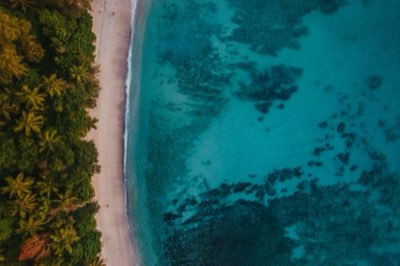
After leaving the quiet shade of the forest, the blue expanse of the ocean suddenly comes back into view. Balancing the stillness of the forest with the energy of the sea is the true joy of traveling through the Seychelles.
After your observation, consider these follow-up activities:
- Explore La Digue: Take a ferry from Praslin to La Digue and explore the island by bicycle. Anse Source d'Argent on La Digue offers a different kind of beauty compared to the forest.
- Snorkeling adventures: After the quiet observation of the forest, snorkeling among vibrant coral reefs and tropical fish provides a perfect sensory contrast.
- Local Creole cuisine: Re-energize after your walk by trying local Creole dishes. Fresh seafood infused with coconut flavors makes for an unforgettable meal.
Regarding lodging, choose an eco-resort on Praslin if you value deep connection with nature, or a luxury resort if you prefer high-end relaxation. For those who love the quiet of the woods, a nature-friendly guesthouse is also an excellent choice.
While the islands offer many comforts, capturing the beauty of the forest requires a different kind of focus.
Where are the best spots for photography and views?
Through a camera lens, the Coco de Mer can look both grand and mysterious. However, the most beautiful photographs are those created without breaking the natural order.
Here are tips for capturing the perfect shot:
* Use medium zoom instead of wide-angle: Rather than getting too close, capturing the nut within the context of the forest background often results in a more natural and beautiful image. * Utilize natural light: Using the light that filters through the canopy can add a dramatic touch to the texture and shape of the nuts. * Try vertical compositions: To emphasize the height of the giant leaves and the scale of the palm, try shooting vertically to convey the plant's massive size.
The most important rule in photography is to never move branches or damage plants to get a better shot. A true photographer finds beauty within the existing forms of nature.

Comments 0