Granite Boots Needed: Conquering La Digue's Diverse Trails
"The best way to see the soul of the island is to step off the paved road and onto the granite trails."
If you are planning a trip to La Digue in 2026, understanding the balance between rugged granite terrain and lush tropical forests is the key to a successful trek. Depending on your fitness level, a hike can last anywhere from 60 to 240 minutes.
To make the most of your adventure, you must prepare for 85% humidity and uneven footing by wearing grippy footwear and carrying at least 2 liters of water.
* Understand the Terrain: La Digue is characterized by massive granite boulders and dense vegetation. * Match Your Fitness: Choose between flat coastal paths and steep forest climbs. * Hydration is Mandatory: High humidity makes physical exertion much more draining. * Time Your Trek: Early morning is the best window to avoid the midday heat.
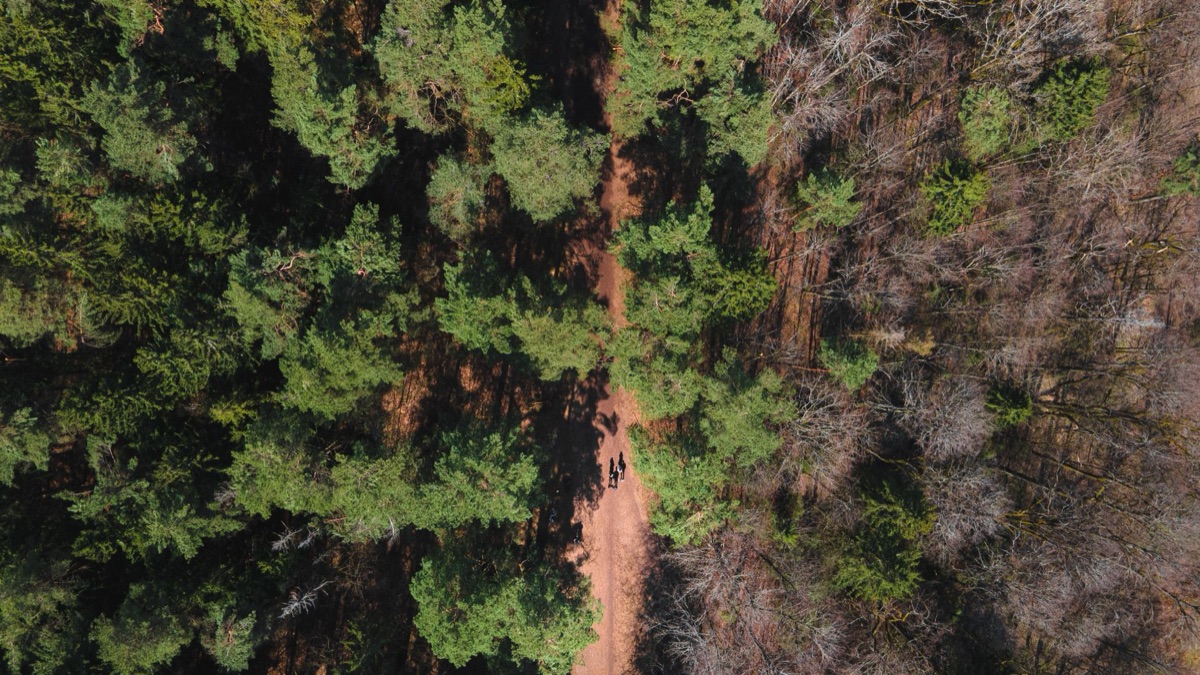
Why walk between the forests and the rocks?
The morning sun filters through the canopy at 9:00 AM, casting dancing shadows across a narrow trailhead. The air feels heavy and warm against the skin, and the path beneath my feet is a mix of weathered granite and tangled tree roots.
This isn't just a place to lounge on a beach; it is a living ecosystem that demands to be explored on foot.
La Digue offers a distinct atmosphere compared to the larger islands in the Seychelles. While Mahé serves as the administrative hub, La Digue feels like a preserved slice of natural history.
Hiking here is more than just exercise; it is an immersive way to witness the artistry created by unique geological formations and endemic plant life.
Because of the island's volcanic origins, the trails are incredibly diverse. You might find yourself on a flat, breezy path hugging the coastline or climbing a steep, shaded incline deep within the woods. Travelers must decide if their goal is a leisurely stroll or a vigorous expedition.
Without a clear plan, a scenic walk can quickly turn into an exhausting ordeal. To avoid this, you need to understand the specific criteria for choosing a route.
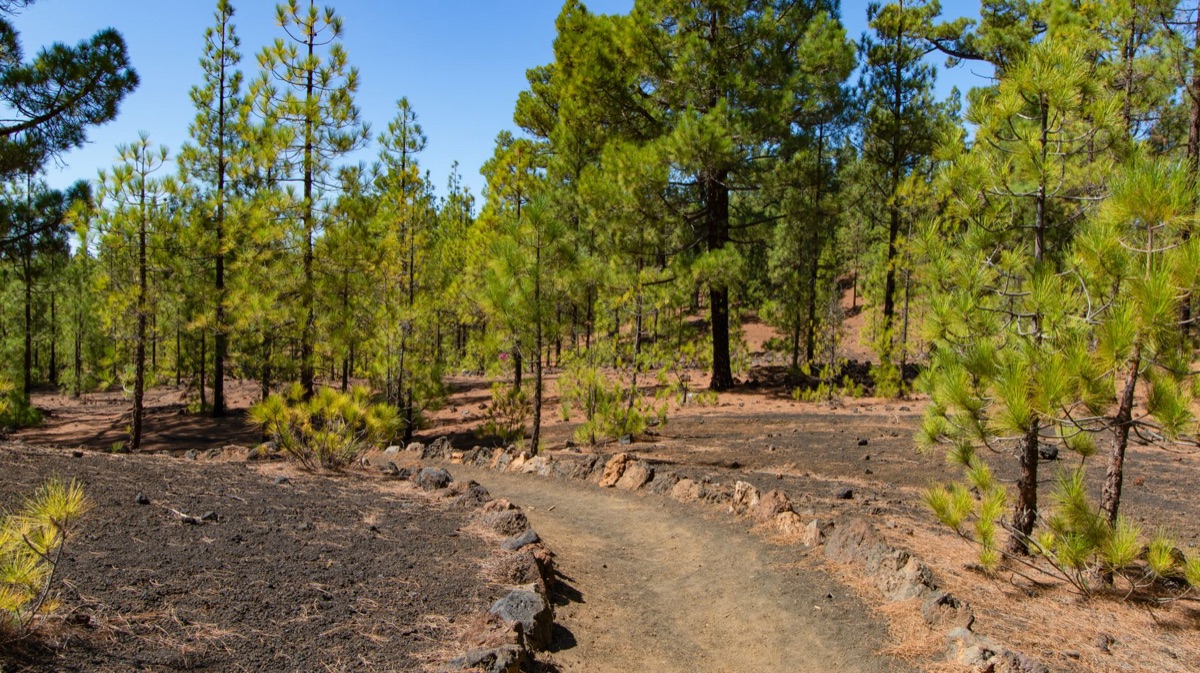
How do I choose a course based on terrain and vegetation?
I pause for a moment, leaning against a large rock to catch my breath as I look deeper into the forest. The air is thick with moisture, and the trail is narrowing, transitioning from a dirt path to a more natural arrangement of stones and earth.
The first thing to consider when picking a route is the physical layout of the land. Much of the island is built upon massive granite structures, meaning slopes can change abruptly.
Coastal routes are generally more gradual and easier to navigate, whereas trekking further inland often involves significant changes in elevation.
Vegetation also plays a major role in your experience. Coastal trails offer wide-open views and constant sea breezes, making them great for photography. In contrast, forest trails provide deep shade and a chance to observe a much higher level of biodiversity.
Use this comparison to help decide your direction:
| Route Type | Characteristics | Best For |
|---|---|---|
| Coastal Path | Flat terrain, ocean views, easy access | Families and casual walkers |
| Forest Trail | Variable elevation, dense greenery, wildlife spotting | Experienced hikers and explorers |
| Hybrid Route | Mix of forest and coast, moderate difficulty | General travelers and couples |
Finding a path that matches your energy level is the first step toward a successful trek. However, many travelers make a common mistake regarding their own physical limits.
How can I maintain a sustainable adventure for my schedule?
At 2:00 PM, I find a patch of shade under a large canopy to rest my body. Even though I have been walking for two hours, the urge to keep exploring is strong, but I know that pushing too hard could ruin the rest of my trip.
Effective hiking requires careful time management. Since many visitors stay on La Digue for several days, it is wise to distribute your energy.
For example, you might start with a gentle coastal walk on your first day to acclimate to the humidity, saving the more challenging forest climbs for your second day.
You should also calculate your time based on your specific goals. Walking just to see the view is very different from trekking to a specific high-altitude viewpoint or a remote beach.
Follow these steps to plan your trek:
- Assess your baseline fitness: Evaluate your current physical condition honestly before setting out.
- Set a clear objective: Decide if you are there for photography, botany, or a physical challenge.
- Check the weather: Because of the heat and humidity, schedule your most active hours for the morning.
- Simulate the route: Mentally prepare for the elevation changes and estimated travel time.
With this preparation, the natural beauty of the island becomes truly accessible. But even with a plan, unexpected variables can arise on the trail.
Managing unexpected variables and safety on the trail
A stray tree root catches my foot as I navigate a narrow turn in the path. In the humid air, the trails often feel more like natural clearings than manicured walkways, requiring constant attention to where you step.
According to the Central Intelligence Agency, as of 2018, 95.9% of the population aged 15 and over can read and write in the Seychelles.
Because La Digue prioritizes natural preservation, trails are not always paved or perfectly leveled. The combination of slippery rocks and uneven dirt makes it easy to lose your footing. Wearing trekking shoes with excellent grip or sturdy, high-traction sandals is non-negotiable.
The humidity also accelerates fatigue. You will sweat significantly more than you might in a dry climate, making hydration a constant priority. It is also wise to carry a light, waterproof layer in case of sudden tropical showers.
Keep these safety tips in mind:
* Footwear is key: Choose shoes that can handle slippery rocks and uneven dirt. * Hydrate proactively: Drink water regularly before you actually feel thirsty. * Stay on the path: Venturing too far off marked trails can lead to getting lost in dense brush. * Return before dark: The forest becomes very dark after sunset; always aim to be back in town by late afternoon.
Respecting nature while protecting your own safety is the most important rule of the trail. Once you reach your destination, the rewards are often breathtaking.
Connecting your hike to local landmarks
After pedaling a bicycle up a steep hill, I finally reach a clearing that reveals the vast ocean. The fatigue of the climb disappears instantly as the wind hits my face. The blue water looks as vibrant as it did decades ago.
According to the World Bank, Seychelles recorded international tourist arrivals of 124,500 in 2020.
To make your hike even more rewarding, try to connect your trekking routes with local landmarks. On La Digue, many trails lead directly to iconic beaches or unique natural sights.
* Route A: The Coastal Explorer: This involves walking along the shoreline and ending at a beautiful beach. Selecting a path near famous spots like Anse Source d'Argent allows for a seamless transition from trekking to swimming. * Route B: The Peak Seeker: This route cuts through the forest to reach higher elevations. The panoramic views from the top are often the ultimate reward for a strenuous climb. * Route C: The Cultural Wanderer: These are gentler paths near local villages that allow you to experience Creole culture and local life more closely.
These connections turn a simple walk into a multi-dimensional experience. You can spend your morning sweating in the forest and your afternoon cooling off in the ocean or enjoying local cuisine in a nearby village.
Best spots for photography and views
The contrast between the deep blue sea and the massive granite boulders is stunning through a camera lens. Thanks to the clear air, every shutter click feels like it is capturing a permanent memory of the landscape.
The highlight of any hike is reaching a viewpoint. La Digue has many hidden spots that offer sweeping vistas if you know where to look.
If you are hiking specifically for photography, keep these tips in mind:
* Use wide-angle lenses: To capture both the massive rocks and the vast ocean in a single frame, a wide-angle lens is essential. * Utilize the "Golden Hour": The soft light of early morning or late afternoon brings out the textures of the granite and the true colors of the water. * Capture candid moments: Rather than stiff poses, try to capture the natural movement of walking or the quiet contemplation of the landscape.
A well-captured photo becomes a lifelong treasure of your journey.




Comments 0